
Norway · Multisport · Swim · Bike
Norseman Xtreme Triathlon
Eidfjord to Mount Gaustatoppen, Vestland to Telemark
226 kmFirst Saturday of August, start at 05:00; 7 August 2027 (24th edition)
DurationEpic
TerrainExtreme
ColdWinter
Cut-offsQualify
Disciplines
Open water swimming in the Nordics is two sports with one habit. In summer it is river, lake and harbour races such as Vansbrosimningen in Dalarna and Christiansborg Rundt through Copenhagen's canals; in winter it is a hole in the ice, a sauna and 25 metres of breaststroke in water close to zero. The habit is the same: a dip outdoors, with other people, all year. Nearly 12 per cent of Finnish adults winter swim, Copenhagen's harbour zones logged more than 428,000 winter visits in one season, and a quarter of Swedes have taken a winter dip in the last five years.
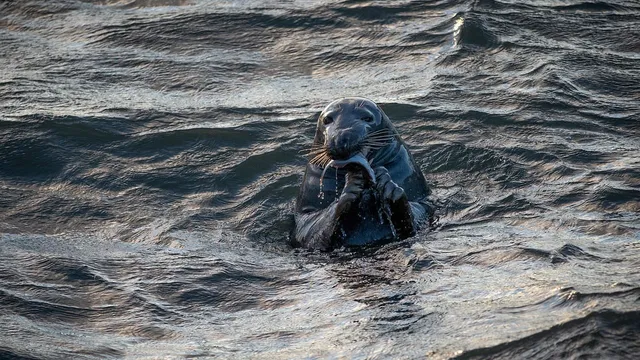
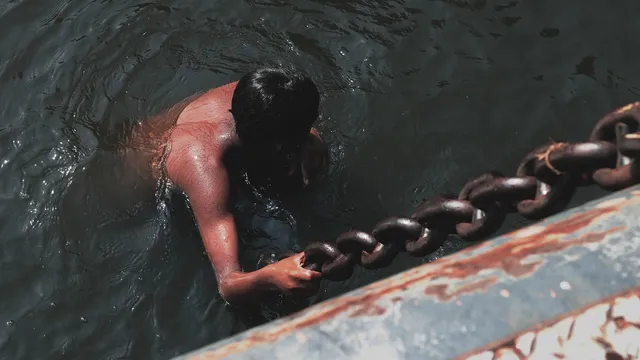
Summer open water means a marked course in a river, lake or harbour with buoys, safety boats and a chip time. Distances run from 1 km beginner swims to 10 km. Vansbrosimningen is 3 km down two rivers with the current behind you, surrounded by shorter options such as Kortsim and Halvsim, a women-only race and an open-river swim, and it is one leg of En Svensk Klassiker. Christiansborg Rundt in Copenhagen is the 2,000 m lap of the Danish parliament, with a 1,000 m distance the organiser calls the right one for first-timers, a 4 x 500 m relay, a 10 km for the experienced and an untimed evening swim with lights; it drew almost 6,000 swimmers in 2026. Wetsuits are normally allowed, with a separate costume-only heat for those who want it.
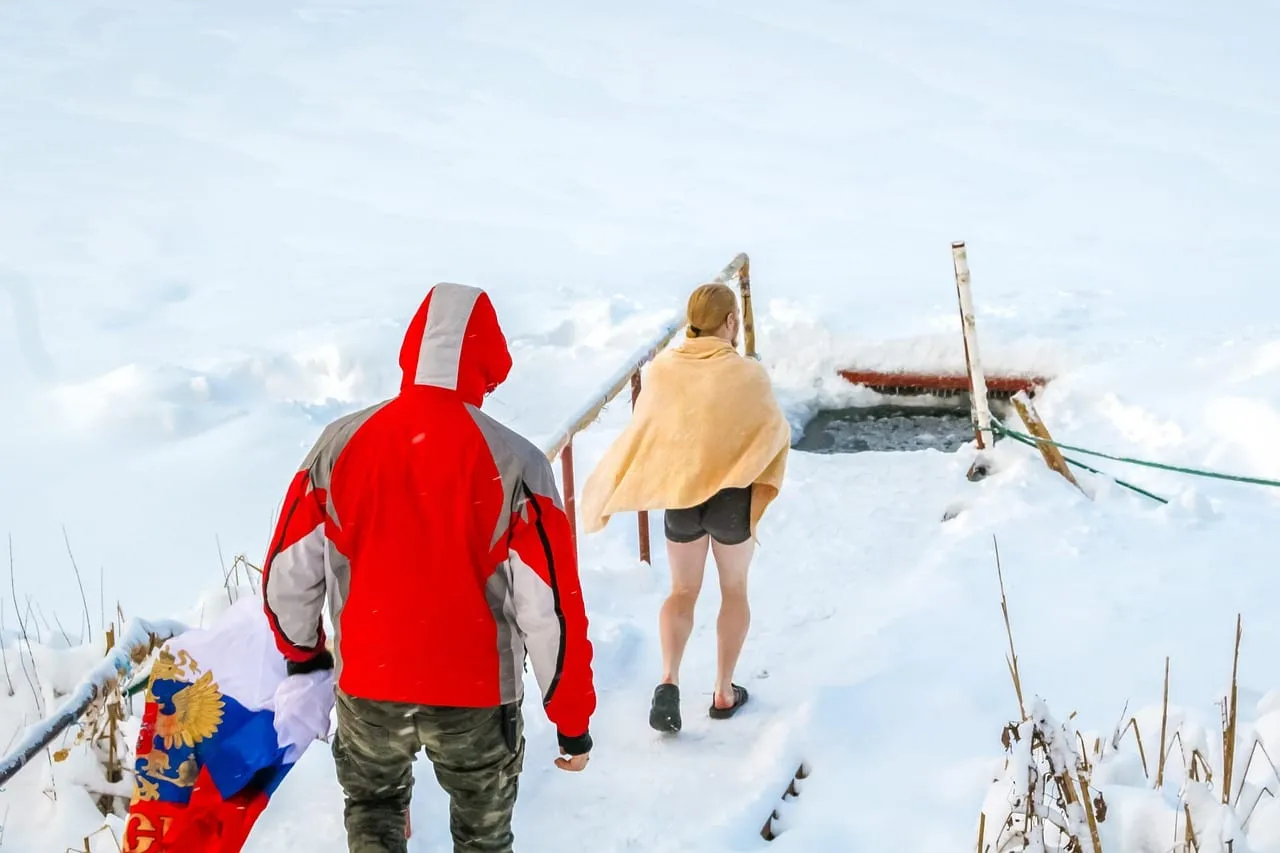
Winter swimming is a pool cut in the ice, usually 25 m long with lanes and ladders, and races of 25, 50, 100 and 200 m in breaststroke or freestyle plus mixed relays, run under the International Winter Swimming Association's rules: a costume and one or two caps, no neoprene, no gloves or fins, no diving, no tumble turns and no more than 5 m underwater. IWSA classes the water: category A is ice water from minus 2 to 0 degrees and allows up to 200 m, B is 0 to 5 degrees, C is 5 to 10. Endurance swims of 450 and 1,000 m require a recent ECG, a medical check, a registered assistant on the poolside and a qualifying swim. Ice swimming under the International Ice Swimming Association is the long end: a 1 km or an Ice Mile (1,609 m) in water of 5.0 degrees or below, unassisted, with goggles, one silicone cap and a standard costume, observed by accredited officials with a medical officer present. Most Nordic winter events also offer untimed classes, in Finland called Norppa (25 m without a clock) and Kuutti (just a dip).
Cold water is where the Nordics live. Finland's avantouinti is a mass habit: Helsinki alone has about twenty winter swimming spots, run by clubs and businesses on city leases, with a season from 1 October to 30 April and a few places open to anyone for a single fee. Suomen Latu, the outdoor association, organises the Finnish winter swimming championships every February; the 2027 edition is at Eerikkilä on 5 to 7 February, and the association's own survey puts winter swimmers at nearly 12 per cent of Finnish adults. Oulu hosted the IWSA world championships in March 2026 with a record field of more than 1,500 swimmers. Denmark's vinterbadning is club culture: Copenhagen's Det Kolde Gys makes an introduction course compulsory before membership and draws lots for places, and the city counted 428,432 uses of its harbour bathing zones between September 2023 and May 2024, up by 118,425 in a year, while Skagen's Isbryderne club turns the last weekend of January into a festival with wood-fired saunas on the beach and a new island festival starts on Samsø in January 2027. Sweden has a long summer tradition, with Vansbrosimningen past its 70th edition and entries for 2026 up about 60 per cent on the year before, and a growing winter scene: Skellefteå's Winter Swim, run by the association Mörkrets och Kylans Glada Vänner since 2013, is a stage of the IWSA World Cup and the open Scandinavian championship, and Vansbro added a Vintersim in a pool sawn into the river ice. A 2025 survey found 46 per cent of Swedes aged 18 to 29 have winter swum in the last five years. Norway's fjord baths and sauna rafts have turned the harbour dip into a city routine, and in Iceland sea swimming (sjósund) is growing from Nauthólsvík in Reykjavík, where a geothermal beach keeps the sea lagoon and hot tubs open all year.
The right to roam helps: in Sweden allemansrätten lets you reach and swim from most shores outside private gardens, and the same freedom applies in Norway and Finland. The other Nordic ingredient is that winter swimming is organised. Clubs own the ladders, saunas and changing huts, they know their water and they teach newcomers how to enter it. That is the safety system, and it is why the advice everywhere is the same: never alone.
For a summer race: a costume, goggles, a bright cap and, if the organiser allows it, a wetsuit or a tow float for training. Water in April and May is 7 to 9 degrees in the Nordics, 12 in June and 18 to 20 by July and August, so a wetsuit makes early-season training possible for most people, but the classic races are swum by thousands without one. For winter swimming the rules strip it back: costume, one or two silicone caps, goggles. Neoprene and extras such as gloves, socks and fins are banned in competition classes and only allowed in the untimed dip classes. What you actually spend money on is what happens out of the water: shoes or sandals for the slippery steps and ice, a warm hat, a thick robe or changing poncho, dry clothes in the order you will put them on, and a flask of something warm. Vansbro tells winter entrants to bring a spare set of dry swimwear if they swim more than one race, and to walk to the pool already undressed to a robe so the cold wait is short.
What organisers require is a signature that you take part at your own risk, a minimum age (18 at Vansbro Vintersim, with a written guardian's consent for younger swimmers; 20 for IWSA endurance swims) and, for anything long or very cold, medical paperwork: IWSA endurance swims and IISA ice swims want an ECG, a medical form and a doctor on site. Vansbro and the Danish lifesaving body say that anyone with a heart condition or high blood pressure should talk to a doctor before a cold bath. Nobody needs a sauna to start, but most clubs have one, and the rule everywhere is to let the body cool before going from sauna to ice.
Summer races run from June to early September: Vansbro's swim week is at the turn of June and July, the Stockholm and Göta kanal swims follow through July and August and Christiansborg Rundt closes the season on 27 to 28 August 2027. The winter season starts when the clubs open their ladders in October, and the Finnish advice is to start then, while the water is still cooling, so that body and head get used to the change before the hard frost. Championships cluster in late winter: the Finnish championships in early February, Vansbro Vintersim on 13 February 2027, Skellefteå's Winter Swim at the end of February with 25 to 200 m races and relays in a sea marina, and the IWSA World Cup and European championship stages across Europe through to March. Ice conditions decide the venue: Vansbro saws an 8 by 25 m pool into river ice, Skellefteå moved from the river to a marina to get room for 200 m races, and Helsinki's pumps and currents keep its holes open all winter.
Through the dark months the open-water swimmer trains in the pool and dips outdoors. Daylight matters: Copenhagen's rules say dip in daylight where you can stand, in the marked zones, and most clubs keep set hours. Water quality is monitored by the clubs and cities in winter too, and spots are closed after heavy rain or sewer work, so check the local notice before you go.
For summer, enter a 1 to 1.5 km race in slow or still water: the 1,000 m at Christiansborg Rundt, Vansbro Kortsim, or a local lake swim. Learn to sight (lift your eyes to a buoy every few strokes), practise swimming in a group, and do at least a few sessions in the open water you will race in; the race-day shock is the cold and the crowd, not the distance. Entries for the big Swedish swims open the autumn before and the popular ones fill. For winter, your first event should be a dip class, not a race: the Kuutti dip or the untimed Norppa 25 m at the Finnish championships, the isvak dip at Vansbro Vintersim, or a club's introduction evening. Vansbro's own briefing is the method: walk to the ladder, go in calmly and decisively, breathe deep and slow, drop the shoulders and let the cold come, because the first breaths are the worst; climb out, robe and shoes on, straight to the warm tent, get the wet costume off at once and drink something warm.
Event days are simple. Register online, be at the arena at least an hour before your heat, undress to your robe in a heat tent, put your clothes in the box that is carried to the far end, swim, and be met by lifeguards and a race doctor at the ladder. There is a medal for every finisher, a sauna tent and hot tubs, and a prize for the best hat.
Search your municipality's list of winter swimming places or the local lifesaving and outdoor associations for the club nearest you, and book its introduction session. Clubs in Helsinki and Copenhagen fill up and some draw lots, so get on the list in late summer.
Begin while the water is still cooling. The organisers' rules for a first season are short dips of 5 to 10 seconds, no jumping, head above water, breathe slowly on the way in, and climb out the moment you feel unwell. Lengthen the dips over weeks, not days.
Every Nordic organiser and lifesaving body says the same thing: bathe with others, preferably three, stay next to the ladder, and watch the people around you. One in ten Swedish winter swimmers sometimes goes in alone; do not be the one.
Open-water races are still swimming. Two pool sessions a week on technique and steady distance will carry you through a 1 km summer race, and the winter pool races are 25 to 50 m of breaststroke, which is about calm, not speed.
Enter a 1 km open-water race next summer when registration opens in the autumn. It gives the winter dips a purpose and gets you into open water in June, when the lakes are already past 12 degrees.
Norway · Multisport · Swim · Bike
Eidfjord to Mount Gaustatoppen, Vestland to Telemark
226 kmFirst Saturday of August, start at 05:00; 7 August 2027 (24th edition)
Sweden · Swim
Kurjovikens Havsmarina, Skelleftehamn, Västerbotten
0.025 kmThird weekend of February (19 to 21 February 2027; 27 February to 1 March 2026)
Denmark · Swim
Slotsholmen canals and harbour, central Copenhagen (start and finish at the Black Diamond)
2 kmThe last full weekend in August: 27 and 28 August 2027 (2026 was 28 and 29 August)
Sweden · Swim
Vansbro, Dalarna (Vanån and Västerdalälven)
3 kmA Saturday in early July (10 July 2027; 4 July 2026), in a swim week of about 10 days
Cold water is a shock: the first seconds bring a gasp and fast breathing, and the body cools quickly. That is why organisers and lifesaving bodies set rules rather than leave it to feel: never alone, enter slowly by the ladder, keep the head up at first, short dips, no alcohol, not when ill, no straight-from-sauna plunges, and warm clothes on at once. Follow the club's rules and you are doing what thousands of Nordic swimmers do every week. Anyone with a heart condition or high blood pressure is told by organisers to check with a doctor first.
Not for winter swimming, where neoprene is banned in competition and the dips are seconds to a couple of minutes. For summer races a wetsuit is usually allowed and makes early-season training in 7 to 12 degree water possible; check the organiser's rules, since some heats are costume only.
Winter race pools are between minus 2 and 5 degrees and rarely warmer; IWSA labels the water in categories A to C and limits distances accordingly. Nordic lakes are 7 to 9 degrees in April and May, 12 in June and 18 to 20 in July and August.
Yes. The Finnish championships have a dip-only class and an untimed 25 m class, Vansbro Vintersim has an isvak dip you can enter on the day, Christiansborg Rundt has an untimed evening swim, and the Skagen and Samsø festivals are about saunas and company rather than times.
Summer classics open entries the autumn before and the popular ones fill; Vansbro's 2027 entries are already open and its winter event opens on 25 November. Winter races and dips can often be entered up to the day itself, subject to space.