Finland · Ski
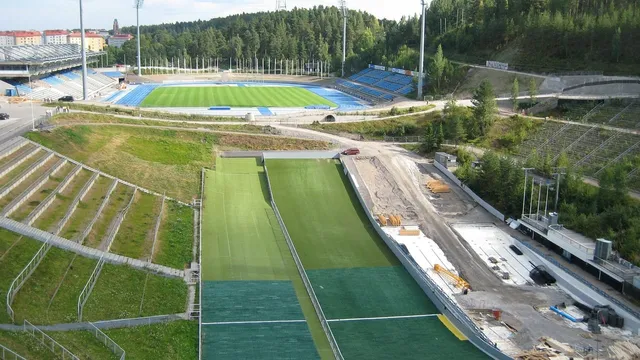
Finlandia-hiihto
Lahti Sports Centre, Lahti and Hollola, Päijät-Häme
62 kmThird or fourth weekend of February; 20–21 February 2027
DurationVery long
TerrainRough
ColdWinter
Cut-offsGenerous
Countries
Finland races by the calendar of its seasons: a mass ski marathon on the Lahti tracks in February, the Helsinki marathon weekend in May, trail runs under the midnight sun in Lapland in July, a 60 km rowing festival on Saimaa, and a winter-swimming championship where one class simply dips. Most mass events are open to anyone without a licence; only triathlon needs one. The law behind it all is jokaisenoikeudet, everyone's right to move through forest and water on foot, ski or bike, which is why so much training here happens straight from the front door.
Finland · Ski
Lahti Sports Centre, Lahti and Hollola, Päijät-Häme
62 kmThird or fourth weekend of February; 20–21 February 2027
Finland · Road
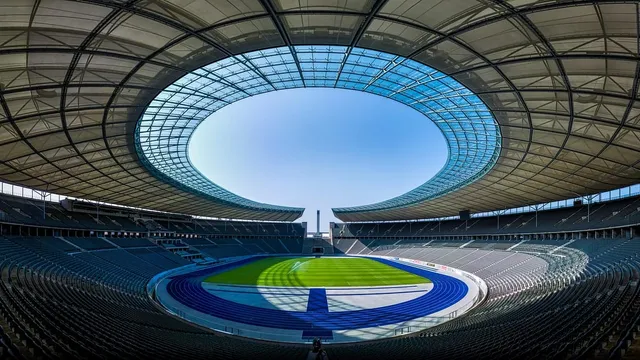
Helsinki, start by the Paavo Nurmi statue and finish in the Olympic Stadium
42.195 kmSecond Saturday of May; 8 May 2027 (weekend 7–8 May)
Finland · Trail
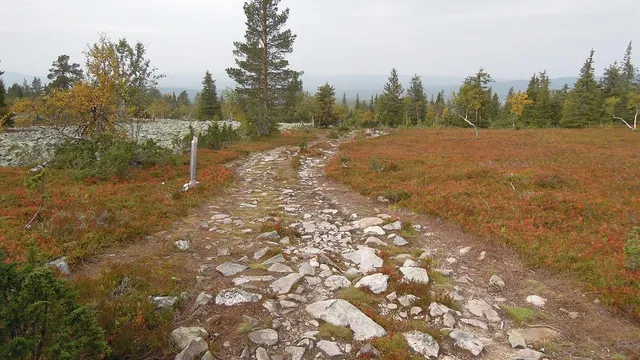
Hetta (Enontekiö) to Pallas, Pallas-Yllästunturi National Park, Finnish Lapland; event centre Äkäslompolo, Ylläs
66 kmFriday 23 July 2027 (event weekend 23 and 24 July 2027; in 2026 the 66 km ran on Friday 17 July)
Finland · Multisport
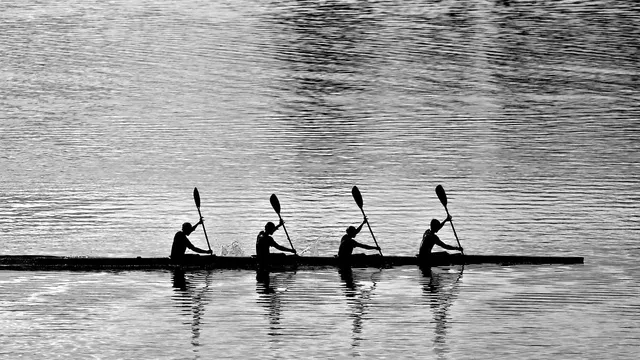
Sulkava, Lake Saimaa, South Savo
60 kmThursday to Sunday in the second week of July (8–11 July 2027)
Finland · Bike
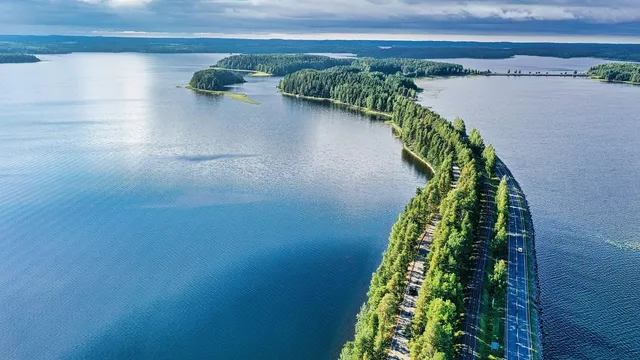
Tahko (Tahkovuori), Nilsiä, Kuopio, North Savo
60 kmFriday and Saturday of the weekend after Midsummer (2–3 July 2027; 26–27 June 2026)
Finland · Trail
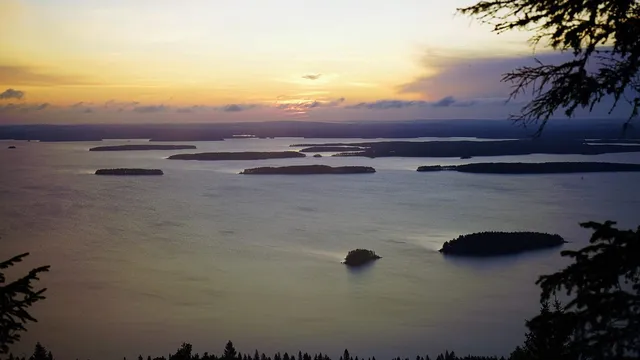
Koli National Park, North Karelia
43 kmFirst weekend of October (Friday evening ultra start, Saturday for the other distances)
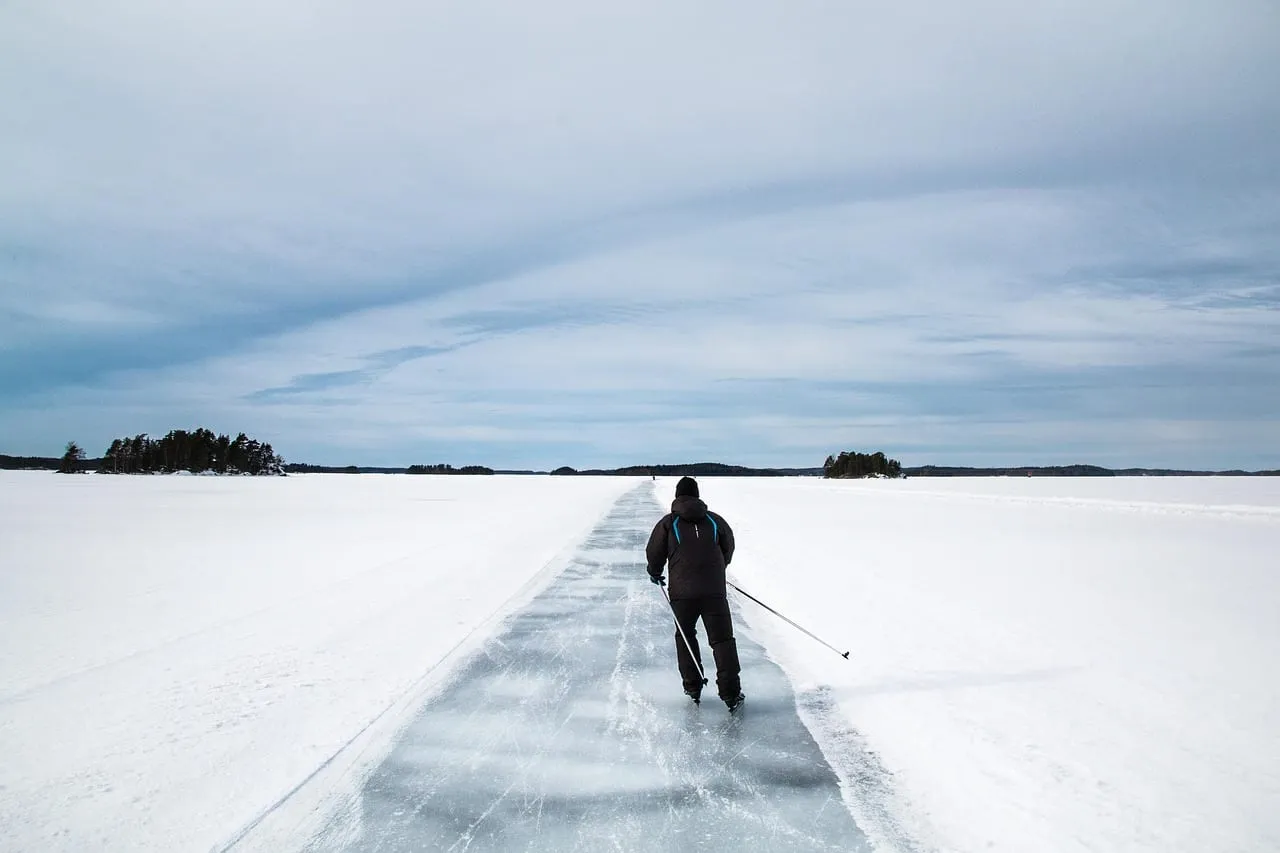
The racing year opens on snow. Finlandia-hiihto in Lahti is the big one in February (the 54th edition is on 20 and 21 February 2027, with classic and free-technique days), the Finnish winter-swimming championships are the same month (5 to 7 February 2027 at Eerikkilä) and the World Cup comes to Lahti's Salpausselkä hill on 11 to 14 February 2027. The ski season proper runs from the Ruka Nordic opener at the end of November to the national cup finals in April; in Lapland winter lasts about 200 days, in the south-west about 100, so a March ski race is still mid-winter in the north and often on man-made snow in the south.
Road running peaks on one weekend: Helsinki City Run in mid-May (7 and 8 May 2027), with the marathon finishing in the Olympic Stadium. Trail running follows the snow line north: NUTS Karhunkierros at Kuusamo at the end of May, NUTS Syöte in June, NUTS Ylläs Pallas on 23 and 24 July 2027 and NUTS Pyhä in August, then back to the capital for NUTS HEL in October. July is also the month of Tahko MTB (2 and 3 July 2027) and the Sulkava rowing race (8 to 11 July 2027). Finland's full-distance Ironman has been run at Kuopio-Tahko in August since the first edition in 2021, with Lahti the home of the half distance. Autumn belongs to the trail: Vaarojen Maraton in Koli national park on 1 and 2 October 2027 is the Trail Tour Finland final. Then the winter-swimming clubs open their seasons; Suomen Latu's calendar lists first dips from mid-October.
The Finnish Meteorological Institute defines seasons by daily mean temperature, and that is the honest way to plan kit. Winter (mean below 0 C) begins in mid-October in Lapland and during November elsewhere; snow is deepest around mid-March, on average 60 to 90 cm in eastern and northern Finland and 20 to 30 cm in the south-west, and lakes stay frozen into April in the south and June in Lapland. The coldest spell is usually late January; February race days at Lahti have been skied at minus 13 C in sunshine, and FMI puts the coldest winter temperatures at minus 25 to minus 35 on the coast and islands, minus 35 to minus 45 inland and down to minus 50 in Lapland and the east. FMI's station normals for 1981 to 2010 give a winter mean of minus 5.3 C at Jokioinen in the south-west and minus 12.6 C at Sodankylä in Lapland; the 1991 to 2020 normals in use since October 2021 run about 0.6 C warmer nationally, and thermal winter on the south-west coast has shortened by two weeks.
Summer (mean above 10 C) starts in late May in the south and about a month later in Lapland, and ends in mid-September in the south. The same FMI tables give summer means of 15.2 C in the south-west and 12.6 C in Lapland; heat waves above 25 C come on 10 to 15 days a summer inland and 5 to 10 on the coast and in the north, and thunderstorms on 8 to 14 days inland. Light is the other variable. In Helsinki the shortest day is about 6 hours and the longest nearly 19; north of the Arctic Circle the sun does not set for 73 days in midsummer in the far north and does not rise for 51 days in midwinter, so a July ultra at Ylläs runs in daylight all night and a February ski race starts in the dark. Pack for wet cold in May and October, for sun, insects and sudden rain in July, and for a head torch only if you race between November and February.
Finland calls it jokaisenoikeudet, everyone's rights (the older word was jokamiehenoikeudet). Metsähallitus, which manages the state's land and the national parks, sums up the rule: you may be in nature regardless of who owns the land, you need no permission from the landowner and you pay nothing, as long as you cause no more than minimal harm. Under it you may move on foot, on skis and by bicycle through forests, natural meadows and on water; swim, boat and travel on ice; stay and spend the night temporarily where moving is allowed; pick wild berries and mushrooms; and angle or ice-fish with a rod.
What you may not do matters just as much for a runner or rider: light an open fire on someone else's land, camp close enough to houses to disturb them, cross yards, plantations or fields in cultivation, drive a motor vehicle off road, litter, or let a dog run loose between 1 March and 19 August (dogs are also banned from groomed ski tracks and public beaches). National parks and nature reserves set their own rules in their establishing decisions: camping is usually only at marked sites, cycling and riding usually only on designated routes, and the strict nature reserves need a Metsähallitus permit. A race with a permit covers its own course, so as a participant you simply follow the markings; on a training run the rule of thumb is that marked trails and the lakeshore are yours, somebody's garden and a seeded field are not.
Finavia runs 20 airports; Helsinki Airport is the hub, and the ones that matter for racing are Rovaniemi, Kittilä (for Ylläs and Pallas), Ivalo, Kuopio (for Tahko), Oulu, Joensuu (for Koli), Tampere and Turku. The alternative to Lapland is the VR night train from Helsinki to Rovaniemi, Kolari and Kemijärvi: a two-berth cabin from 59 euros, a car space from 49 euros, bikes bookable as an extra, and connecting buses from the terminus to the ski resorts. Kolari is the station for Ylläs. VR had night-train tickets on sale to 10 October 2027 at the time of writing, with some May and June 2026 services cancelled for track work, so check the timetable before you book a race.
Lahti, where Finlandia-hiihto starts in the Sports Centre stadium and collects bibs at the Fair Centre, is on the main line out of Helsinki. Helsinki City Run finishes in the Olympic Stadium and the 2026 weekend drew 24,000 runners from 110 nations. Tahko MTB's organisers include a meal, free use of the resort saunas and a participant car park at 5 euros a day; Vaarojen Maraton runs on about a hundred volunteers who get shared accommodation and meals at Koli. What fills early: the NUTS trail events, which set eight participation records in a row, open registration months ahead (Karhunkierros opened on 13 October 2026 for May 2027, Ylläs Pallas opens on 24 November 2026) and Helsinki City Run's lower entry price ends on 31 October; VR's night-train cabins for a July race are on sale the autumn before.
Suomen Latu, the Finnish outdoor association founded in 1938, is the thread through it all: nearly 90,000 members in more than 170 local associations that run ski schools, winter-swimming groups, guided first dips and long Lapland treks, and whose Paloheinä rental in Helsinki lends skis and snowshoes by the hour. Municipalities groom and light the tracks. Helsinki's Paloheinä area has dozens of kilometres of ski trails, lit except on the open fields, a first-snow loop made with snow cannons so skiing starts before the real snow, lit woodchip fitness trails for the snowless months and a 16 km mountain-bike trail through the Central Park; on a winter evening thousands of residents are out on it. The athletics federation's own words about race entry apply to the whole scene: events are not only for competitive runners, every level is welcome.
Winter swimming, talviuinti (avantouinti when it is through a hole in the ice), is ordinary rather than extreme here. Suomen Latu's etiquette is the one to follow: hat and footwear, never alone, walk slowly on the slippery steps, breathe calmly going in, start with short dips, do not jump in or put your head under, warm up gently afterwards, and never swim ill or after alcohol. The venue operator has a legal duty to keep steps, lights and rescue gear in order, overseen by the safety authority Tukes. Most swimming places sit beside a sauna, and that is the second half of the culture: UNESCO inscribed Finnish sauna culture on its intangible heritage list in 2020, noting 3.3 million saunas in a country of 5.5 million people. Race organisers assume it too; Tahko MTB opens the resort saunas to all finishers at no charge. A newcomer who turns up at a club's open dip or a Saturday ski school will be shown the ropes without ceremony.
Finlandia-hiihto has been skied on the Salpausselkä tracks at Lahti since 1973 and is Finland's biggest mass ski event and its Worldloppet race; the full course is 62 km with 32 and 20 km options in both techniques, but the organisers cut and loop the course when snow is short, so 2025 was skied as two 32 km laps and the 2026 freestyle day as 42 km, with about 1,500 starting that day alone. Helsinki City Marathon dates from 1981 and is the country's oldest and largest; the 47th edition on 8 May 2027 finishes in the Olympic Stadium and sits inside a weekend of 24,000 runners. NUTS Ylläs Pallas in late July is the trail-running flagship, from a short fell sprint to 160 km between the two fells, and it set a participation record in 2026 with 3,242 starters, a quarter up on the year before. Sulkavan Suursoudut, run since 1968 on Lake Saimaa, is Finland's largest rowing event and its most Finnish: 60 km in traditional wooden rowing boats and the big church boats, with 2,099 rowers and about 9,000 visitors in 2026. And Vaarojen Maraton, on the rock and roots of Koli national park in early October, is where the national trail tour is decided, over distances from 7 km to a 130 km ultra.
Not for the mass running, skiing, rowing and mountain-bike events; you enter online and race. Triathlon is the exception: the federation requires a valid licence in every triathlon event, and for a visitor who is not in a Finnish club that means a day licence bought through Suomisport, 5 euros for a hobby start or 20 euros for a championship race, with no insurance included (2026 season). Sanctioned road and track cycling races run on federation licences too, from a 32-euro trial licence upwards.
Broadly yes. Everyone's rights let you move on foot, skis or bike through forest and across water on anyone's land without asking, swim from any shore and stay a night where you are allowed to walk. Keep off gardens, plantations and fields in cultivation, light no fires without permission, keep the dog on a lead from 1 March to 19 August, and in national parks camp only at marked sites and cycle only on the routes designated for it.
The 2026 Finlandia-hiihto freestyle day was skied at minus 13 C in sunshine, and winter means run about minus 5 C in the south-west and minus 13 C in Lapland, with minus 30 possible on a still morning. In July the far north has no sunset at all for 73 days a year and Helsinki gets nearly 19 hours of daylight, so a Ylläs night section is run in light; summer means are about 15 C in the south and 12 to 13 C in Lapland, with 25-degree heat waves on 5 to 15 days a summer.
Fly to Kittilä, Rovaniemi or Ivalo, or take the VR night train from Helsinki; it reaches Rovaniemi, Kolari and Kemijärvi, carries bikes and cars, and connecting buses run from the stations to the resorts. Kolari is the stop for Ylläs and the NUTS Ylläs Pallas event centre at Äkäslompolo. Cabins start at 59 euros and are sold about a year ahead.
Yes. Suomen Latu's member clubs run guided first dips and open sessions from October to spring, and the Finnish championships in February have a Kuutti class whose only task is to get in. Follow the house etiquette: hat and footwear, never swim alone, short dips, head above water, and no swimming when ill or after alcohol.