What it is
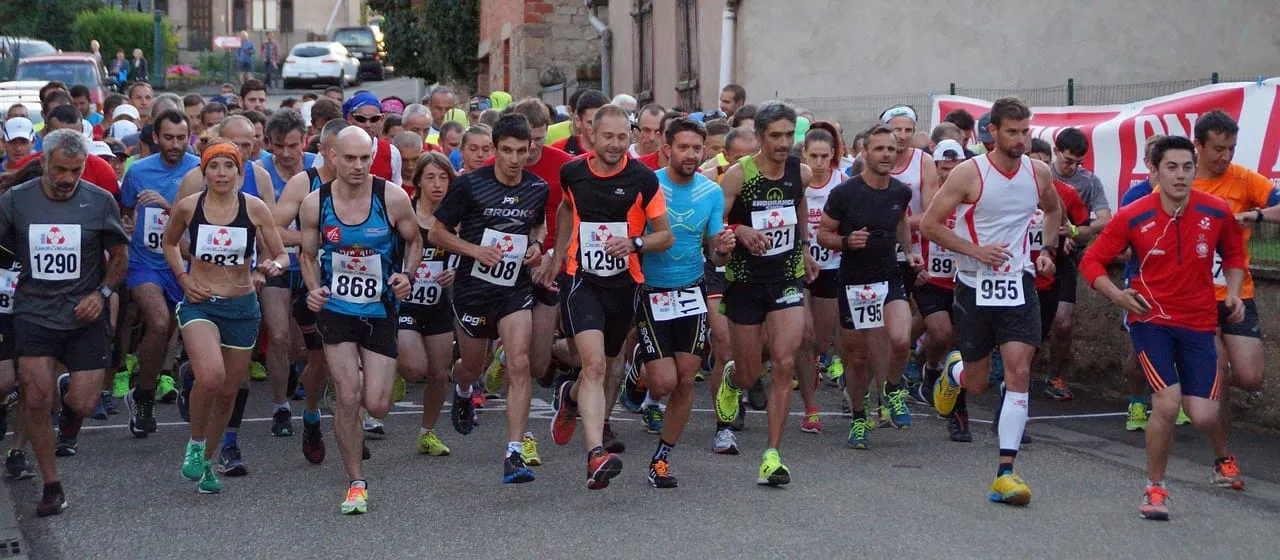
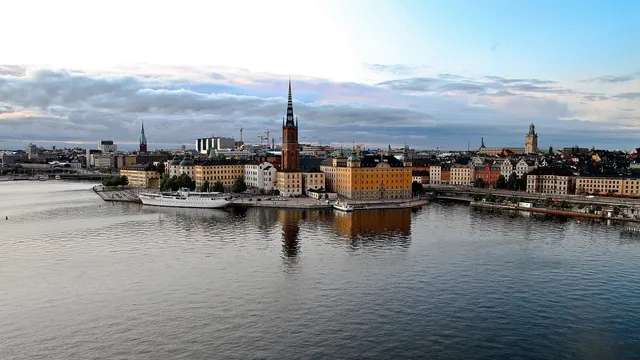
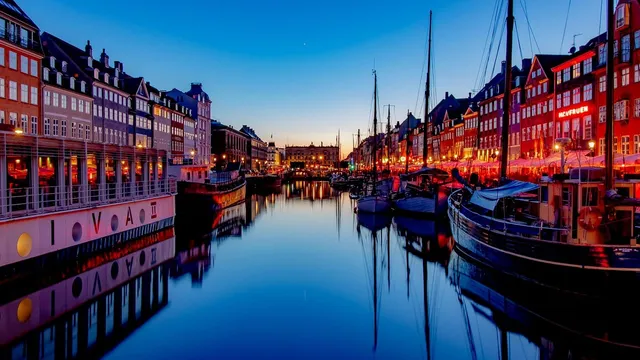
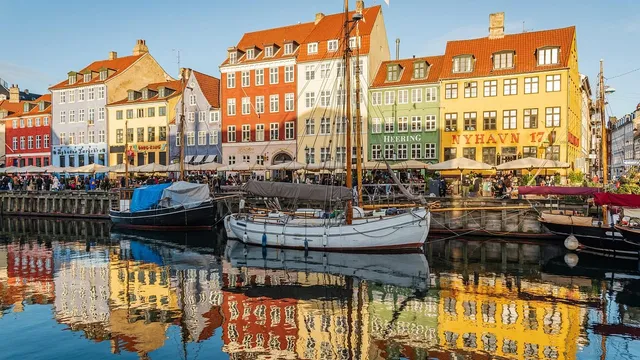
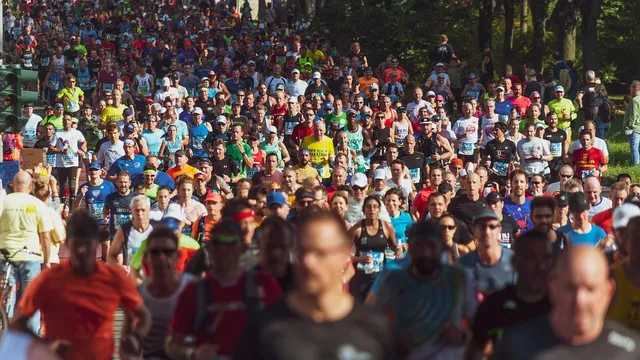
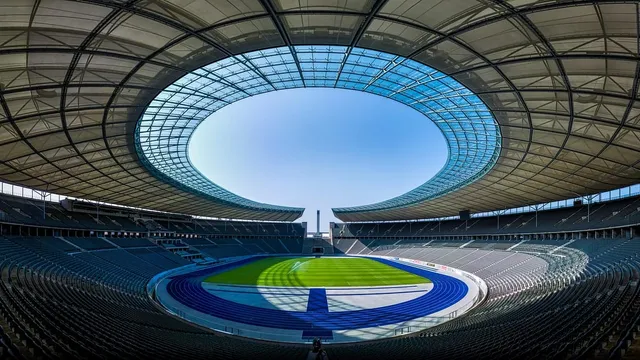
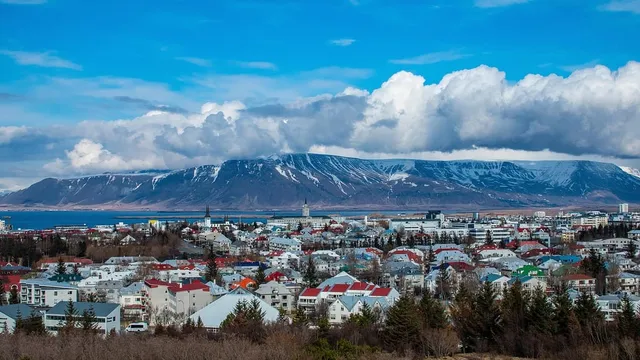
A road race is a certified distance on tarmac, closed to traffic for the day, with start waves seeded by expected pace, drink stations every five kilometres, a chip time and a cut-off. The distances are fixed: 5 km, 10 km, 21.1 km and 42.195 km, so a time from Reykjavík means the same as one from Copenhagen. The Nordic classics are big. Göteborgsvarvet is the world's largest half marathon with 55,000 entered in 2026 and 200,000 spectators along the course; Copenhagen Marathon has 35,000 places and took 80,937 lottery entries for 2027; Oslo Maraton has more than 29,000 runners across its distances on a September Saturday; Stockholm Marathon finishes inside the 1912 Olympic stadium with around 20,000 on the start line; Helsinki City Run fills the Olympic Stadium with 24,000 runners over a weekend in May; the Midnight Sun Marathon in Tromsø took 9,000 runners from 97 nations in 2026; and Reykjavík Marathon runs on the city's Culture Night in August with free entry to the geothermal pools for everyone who finishes.
Race day is a set routine. You collect your bib at an expo the day or two before, hand in a bag of warm clothes at the start, line up in your wave, and run. Cut-offs are generous but real: 6 hours 30 minutes at Stockholm Marathon under the police permit, 6 hours net at Copenhagen and Oslo with 3 hours at halfway, 3 hours 30 minutes for the Oslo half, and at Göteborgsvarvet a pace of about 7:30 per kilometre if you start in the last wave at 16:15. Minimum ages are set by distance: 18 for most marathons, 16 at Copenhagen, 15 for most half marathons and 12 or 13 for a 10 km.
Why it is Nordic
Three things make road running Nordic rather than just running. First, scale and culture: the Swedish athletics federation counts around 800 recreational races a year with some 600,000 starts, and the organisers of Göteborgsvarvet estimated 1.3 million participants in Swedish motionslopp in 2024, up about 15 per cent in a year. The races are run by athletics clubs and federations, and the surplus goes back into club sport: Stockholm Marathon is organised by Hässelby SK and Spårvägens FK, Helsinki City Run by the Finnish athletics federation, Göteborgsvarvet by the Gothenburg athletics district. Demand now exceeds supply. Göteborgsvarvet 2027 sold out within days of opening with a field that is 48 per cent women, Copenhagen Marathon 2026 sold out in under 24 hours and moved to a lottery, and 188,522 people entered the lottery for 45,000 places in the 2027 Copenhagen Half. Young adults drive it: Swedish organisers reported 20 to 40 per cent more entries in early 2024, mostly from women under 30, and the 18 to 30 age group is the fastest-growing at Stockholm Marathon.
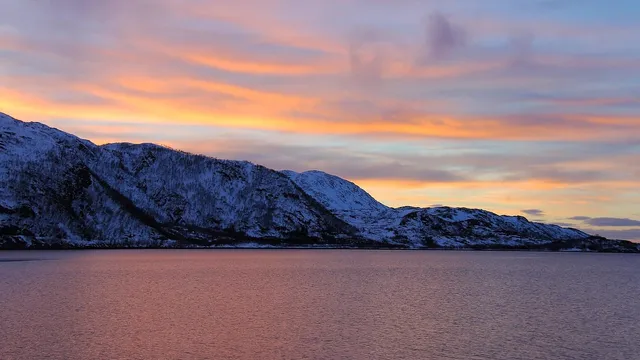
Second, the light. Tromsø runs a marathon at night under the midnight sun in June and another in the blue noon twilight of the polar night in January, and the latter took 2,350 runners from 75 nations in 2026. Reykjavík's Midnight Sun Run and Northern Lights Run bracket the year the same way, and Icelandic clubs run winter series of 5 and 6 km road races through the dark months. Third, winter itself. From November to March, Nordic road runners train on ice and packed snow in the dark, with studded shoes or strap-on spikes, a headlamp and reflectors. Norwegian running shops report that a fifth of the shoes they sell in winter are studded, and the advice from coaches is the same everywhere: keep at least one outdoor run a week all year, because the treadmill does not train the lower legs the same way and the spring injuries come from stopping.
What you need
Road running needs less than any other discipline on this site: a pair of running shoes that fit and whatever clothes you own. From autumn to spring, add three things. Grip: either running shoes with built-in carbide studs, studs fitted to an old pair for a few hundred kroner, or rubber strap-on spikes, which cost least but can come off on bare tarmac. Choose grip under the forefoot if you run, since that is where you land; classic metal studs grip well on ice but are worse than a plain sole on dry asphalt. Visibility: at least two reflectors that move as you run, one on each side at knee height or on the shoes, plus a reflective vest or band on the body. Norway's road safety agency puts the numbers plainly: without a reflector a driver on dipped headlights sees you at 25 to 30 metres, with one at 140 metres, which is 10 seconds of reaction instead of 2. Replace vests after about twenty washes and buy ones marked CE EN 17353. Light: a small headlamp or chest lamp for unlit paths, so you can see the ice before you are on it.
Clothing for cold is thinner than people think: a thin wool or synthetic base layer, a windproof jacket, tights, gloves and a hat, with no gap between tights and socks at minus temperatures. Dress to be slightly cold for the first ten minutes. What people waste money on: carbon-plated race shoes before they have run a half marathon, waterproof jackets you sweat through, and a second watch. Organisers require only your bib pinned on the front; a bin bag over your shoulders at the start and a bag of dry clothes handed in at the start are the two things experienced runners never forget.
Season and conditions
The city classics sit in two windows. May holds Copenhagen Marathon on the second Sunday, Helsinki City Run the same weekend, Göteborgsvarvet on the third or fourth Saturday and Stockholm Marathon at the end of the month; expect anything from 8 to 25 degrees and plan drink stops for the warm years. The second window is late summer and autumn: Reykjavík Marathon in late August, Oslo Maraton in mid-September and the Copenhagen Half the same weekend, when mornings are cool and conditions are the fastest of the year. The far north adds its own dates, with the Midnight Sun Marathon in Tromsø in late June and the Polar Night Marathon in early January.
Between the windows is the Nordic winter, and the discipline is to keep going through it. November to February means running in the dark both before and after work at most latitudes, on surfaces that change from wet to ice to packed snow within a week. Slow down by 30 to 60 seconds per kilometre on snow and ice, shorten your stride, and expect stiff calves for the first fortnight on studs because you run more on the toes. Keep the long run but move it to a lit, ploughed loop near home rather than a country road, and do the fast sessions on a cleared track, a treadmill or a hill where traction does not matter. The pay-off is that a Nordic runner starts May with five months of consistent running behind them while the race calendar was still asleep.
Your first race
Start with a 5 km or 10 km rather than the marathon that is trending. Every big Nordic event has one: the 5 km and 10 km at Oslo and Tromsø, the Helsinki City 5, the 10 km at Reykjavík, the shorter races in Varvet week in Gothenburg. parkrun is the easiest first start line of all: a free, timed 5 km every Saturday morning with no time limit, at 16 locations in Sweden, 14 in Denmark, 14 in Norway and 10 in Finland. Enter the half marathon as your second race and give it four months of training; the marathon comes a year later. Twelve weeks of three runs a week, one of them longer each week, gets a healthy beginner to a half marathon finish inside the cut-off.
Enter early. Göteborgsvarvet and Copenhagen now sell out or go to a lottery within days of opening, usually right after the previous edition in May; Stockholm Marathon prices rise in steps through the year; Oslo's longest distances fill first. Read the organiser's first-timer guide, which the big races publish, and check the minimum age and the cut-off before you pay. On the day, pick up your bib early, eat a normal breakfast three hours before the start, hand in your bag, and go out at the pace you trained at even though everyone around you is sprinting. Drink at every station from the first one, and do not try anything new, not shoes, not gels, not a pre-race sauna. Cross the line, collect the medal, put dry clothes on, and book the next one before the legs have forgiven you.
Where to start
Run three times a week for a month, outside
Twenty to thirty minutes of easy running, or run-walk, on three fixed days, whatever the weather. The habit is the hard part, not the distance. Keep a note of each run; after four weeks you have the base that every plan on this site builds on.
Go to a parkrun on Saturday
Register once online, print or save the barcode and turn up at 9 for a free timed 5 km. There is no cut-off and nobody finishes last. It gives you a time, a weekly fixed point and the people who will talk you into your first real race.
Buy grip and reflectors before the first frost
In October, get studded shoes or strap-on spikes and two reflectors that move as you run. The runner who has them in the hallway keeps running through January; the one who plans to buy them stops at the first icy week and starts again, sore, in March.
Enter a spring 10 km the day registration opens
Pick one of the shorter races at a big May event, enter when registration opens the previous summer, and put the date on the wall. A paid bib six months out is the most effective training plan ever written.
Join the local club's Tuesday session
Athletics clubs and running groups in every Nordic town run an open interval session once a week, usually on a lit track or a measured loop. One hard session with other people each week improves your race times more than any amount of extra easy running alone.