Sweden · Road running
Göteborgsvarvet
Gothenburg: Slottsskogen, Älvsborgsbron, Hisingen and Avenyn to Slottsskogsvallen
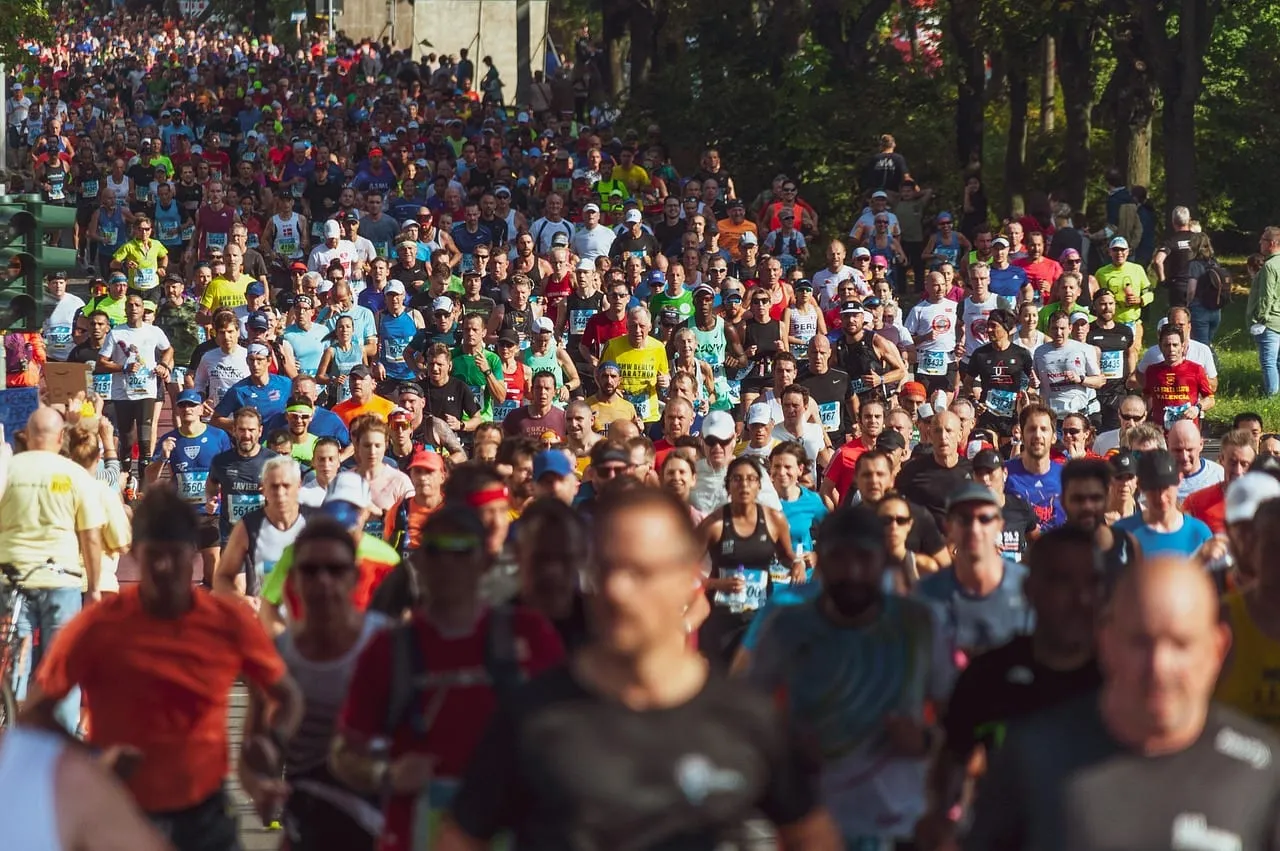
Göteborgsvarvet is a half marathon (21.0975 km) through Gothenburg, run every May since 1980 and billed as the world's largest, with 55,000 registered in 2026. It is a city party more than a time trial: 50 music stations, more than 200,000 spectators, and a start spread over three hours in seeded waves. The real picture is a race that sells out within days of opening, a median finish near 2 h 07 min, and a course with a few bridge and park climbs rather than a flat road.
Official site (opens in a new tab)No. 36 of 41 in the toughness ranking
The race in brief
- Distance
- 21.098 km
- Format
- Half marathon on roads through central Gothenburg, start at Margretebergsgatan near Slottsskogsvallen, finish at Slottsskogsvallen; seeded start waves between about 13:00 and 16:15
- When
- Saturday in late May (22 May 2027; 23 May 2026)
- Mid-pack time
- 2 h 07 min (median finisher, net time, 2026, from a sample of about 6,000 results)
- Cut-off
- Checkpoints close at 16:52 (5 km), 17:45 (12 km), 18:10 (15 km), 18:28 (17 km) and 19:15 (finish); about 7:30 min/km is needed from the last wave
- Entry fee
- 750–900 kr (Reported by marathons.com in July 2026 for the sold-out 2027 race; the organiser's own price table is not shown on its sold-out page)
- Field
- 55,000 registered (2026); roughly 45,000 finishing times in the results
- First held
- 1980
- Other distances
- Göteborgsvarvet 21.0975 km · Stafettvarvet (relay) · Cityvarvet · Varvetmilen (10 km) · Specialvarvet (1.4 and 2.4 km) · Lilla Varvet and Minivarvet (children)
- Organiser
- Göteborgs Friidrottsförbund (Göteborg Athletic Association)
Next edition: 2027-05-22 · Registration opened on 23 May 2026 straight after the 2026 race, passed 29,000 in two days and sold out within days (organiser news, 26 May 2026); the official waiting list opened on 22 June 2026 · Entries (opens in a new tab)
Checked 2026-10-15
How tough is it?
Four meters, each 1 to 5, rated by our published method. The basis under each one shows the figures behind the score. How we rate.
Median net time about 2 h 07 min in an evenly spaced sample of about 6,000 results from the 2026 official list at goteborgsvarvet.r.mikatiming.com (2026-05); the fastest quarter ran under 1 h 52 min and the slowest quarter over 2 h 24 min. The list is labelled unofficial. A slow finisher is out for 3 h or more. As of 2026-05.
All road in a city: Säldammsbacken in Slottsskogen at the start, Älvsborgsbron (the course high point, 52 m above sea level, around 5 km), flat river-front sections on Hisingen, Hisingsbron between 13 and 15 km and the uphill on Avenyn to Götaplatsen. Total climb is not published, so this is a judgement; borderline 1 for a mostly flat race with short climbs. As of 2026-05.
Late May, with starts between 13:00 and 16:15. SMHI 1991-2020 gives a daily mean of 12.4 C for Gothenburg in May (via our Sweden country research); the first race in 1980 reached 30 C. Rain or wind on the open bridges is possible. There is no mandatory clothing, and the organiser publishes race-doctor advice on drinking and safety. Afternoon starts keep it mild; borderline 2 on a cool, wet day. As of 2026-05.
2027 sold out within days of opening in May 2026 (organiser news), so the hard part is getting a place; a waiting list now exists. There is no lottery. Cut-offs are generous: about 7:30 min/km from the last wave, against a median of about 6 min/km. Your start wave comes from earlier results, and runners without a time start in the later part of the field. As of 2026-05.
The course
The start is on Margretebergsgatan next to Slottsskogsvallen, where it has been since 1982. The first kilometre goes straight into the park of Slottsskogen, round past the natural history museum and back along Björngårdsvägen, and then comes the first real test, the climb up Säldammsbacken. From Slottsskogen the course drops into Majorna, with its crowds and small bands and a refreshment station before the first split at 5 km.
At about 5 km you climb on to Älvsborgsbron, the 900 m suspension bridge, which holds the highest point of the course at 52 m above sea level and views of the port and the archipelago. On the Hisingen side the course turns along the river through Färjenäsparken and Eriksberg (the 10 km split comes at the end of this section) and the flat Lindholmen waterfront, passing Karlatornet. Around 12.7 km you reach Frihamnen and then Hisingsbron, a lift bridge that debuted in the race in 2022 and is lower than the old Götaälvbron.
After the 15 km split you run through the city centre past Gustaf Adolfs Torg and Kungsportsplatsen to Avenyn, a long uphill stretch lined with crowds several rows deep, up to Götaplatsen and round the Poseidon statue. The last 4 km pass through Vasastaden and Linné before the finish at Slottsskogsvallen. There are 9 water stations (some with sports drink), 10 showers to run through, medical stations at each water station, and transport back to the start if you abandon.
How to enter
Registration for the next race opens on the weekend of the race itself, and it sells out fast: 29,000 had registered two days after the 2026 race and the 2027 race sold out within days, a record early sell-out according to the organiser. For 2027 the organiser opened an official waiting list on 22 June 2026: joining is free, an invitation e-mail gives you 72 hours to buy at the current price, and sellers get 90 per cent back.
The fee for the 2027 race was reported at 750 to 900 kr (about 68 to 81 euros) rising in steps; the organiser said in 2025 that the price rises on 31 May. Entry is binding and refunds are not available, but you can transfer a place to another person for 300 kr up to seven days before the race (the buyer is seeded on their own results). You must be born in 2010 or earlier, as the rules allow a half marathon from the year you turn 17. No licence is needed.
Seeding decides the start wave. Runners with a qualifying result start first, in order of result; others start in the later part of the field. Qualifying races are Göteborgsvarvet 2025 and 2026 and Varvetmilen 2027, or an externally sanctioned race between 15 April 2025 and 15 April 2027 registered with your entry by 15 April 2027: men 38:00 for 10 km, 1:46:00 for the half or 3:55:00 for the marathon, women 41:00, 1:50:00 and 4:02:00. You may always move to a later wave to run with a friend, but not an earlier one.
How to train for it
Practise a hill in the first 2 km
Säldammsbacken comes within the first kilometres, when you are in a crowded wave and tempted to go fast. Run one or two training sessions with an uphill early in the run and keep it controlled, then settle into your pace.
Rehearse bridges and the Avenyn climb
The course has Älvsborgsbron around 5 km, Hisingsbron between 13 and 15 km and a long uphill on Avenyn in the 16-17 km stretch. Include steady 5 to 8 minute climbs late in tempo runs so your legs know them when tired.
Choose your wave honestly
If you start in a later wave, expect crowds and weaving in the first kilometres. Run a 10 km or half marathon race in the spring to get a result and a better wave, or start in a later wave with friends; the organiser allows moving back but never forward.
Plan for an afternoon start
Waves leave between 13:00 and about 16:15, so you may run in the warmest part of the day. Practise eating and drinking at the pace you plan, take what the nine water stations offer, and read the organiser's race-doctor advice on drinking.
Keep right unless you are passing
The organiser asks slower runners to keep to the right to leave the left as a passing lane; wheelchair athletes may reach high speed on downhills. Train yourself to look behind before changing line.
What you need
- Bib collected at the Göteborgsvarvet Expo at Friidrottens Hus during race weekend; your bib is the receipt for your bag drop
- Start certificate sent by e-mail 1-2 weeks before the race with your start wave
- Bag drop in the event area for a change of clothes; the bib is your receipt when you collect it
- Road running shoes you have already done long runs in; the whole course is on city roads
- Own gel or bar if you need it; there are 9 water stations with water and some with sports drink
- Showers after the finish are at Frölundaborg (men) and Slottsskogens ishall (women and non-binary)
Getting there and staying
The start and finish are on the Göteborgsvarvet arena at Margretebergsgatan and Slottsskogsvallen. The organiser asks you to use public transport (stops Marklandsgatan or Linnéplatsen) or bike or walk, because of construction traffic; there is also a shuttle bus from Åby Arena. Bag drop and toilets are in the event area. Pick up your bib at the expo on Thursday or Friday to avoid queues.
After the finish there is a Runner's Zone with water, bananas and cake, a food court open 09:00-20:00, and the medal. Results are live in the Göteborgsvarvet app. The race site links to a Stay and Experience Gothenburg page for hotels; it does not arrange accommodation itself.
History
The first Göteborgsvarvet was held in 1980 with about 1,800 runners, in sunshine and temperatures that reached 30 C; the first winners were Göran Högberg in 1:06:17 and Midde Hamrin in 1:15:50. The start has been at Margretebergsgatan since 1982. The race is organised by the Göteborg Athletic Association, around 3,000 volunteers from local clubs help, and surplus goes to local sport.
Where to find out more
- Race information (opens in a new tab): Start, cut-off points, bag drop, water stations, showers and transport.
- Seeding system (opens in a new tab): How start waves are set and which qualifying results count.
- Race course (opens in a new tab): The course section by section, with spectator spots.
- Official waiting list (opens in a new tab): How to buy or sell an entry when the race is sold out.
- Results 2026 (opens in a new tab): Live and archived results.
Questions about Göteborgsvarvet
How long does Göteborgsvarvet take?
In an evenly spaced sample of about 6,000 results from the 2026 list, the median net time was about 2 h 07 min. The fastest quarter ran under 1 h 52 min and the slowest quarter over 2 h 24 min.
What are the cut-off times?
You must pass 5 km by 16:52, 12 km by 17:45, 15 km by 18:10, 17 km by 18:28 and finish by 19:15. Starts run from 13:00 to about 16:15, and about 7:30 min/km is needed from the last wave. Runners who cannot make it are taken back to the start.
Is the 2027 race sold out?
Yes. Göteborgsvarvet 2027 (22 May) sold out within days of opening in May 2026. The organiser runs an official waiting list; you have 72 hours to buy when an invitation arrives.
How do I get a good start wave?
Wave order comes from your best qualifying result: Göteborgsvarvet 2025 or 2026, Varvetmilen 2027, or a sanctioned race with a result equal to or faster than 38:00 (10 km), 1:46:00 (half) or 3:55:00 (marathon) for men, or 41:00, 1:50:00 and 4:02:00 for women. Runners without a result start later.
Can I swap or cancel my entry?
Entries are binding and not refunded after the 24-hour withdrawal period. You can transfer to another runner for 300 kr up to seven days before the race, or sell through the waiting list, which keeps 10 per cent.
Similar races
Sweden · Road
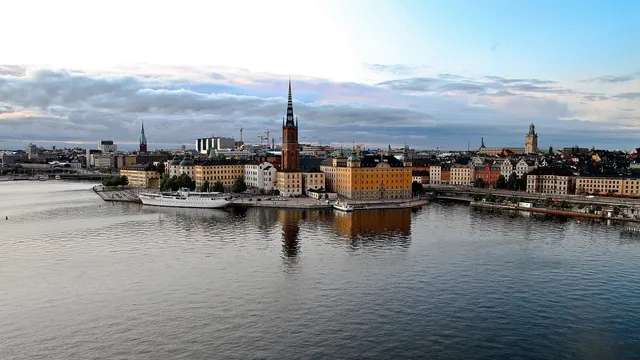
adidas Stockholm Marathon
Stockholm: start on Lidingövägen, finish inside Stockholms Stadion
42.195 kmSaturday at the end of May (29 May 2027, preliminary start 12:00; 30 May 2026)
Sweden · Trail
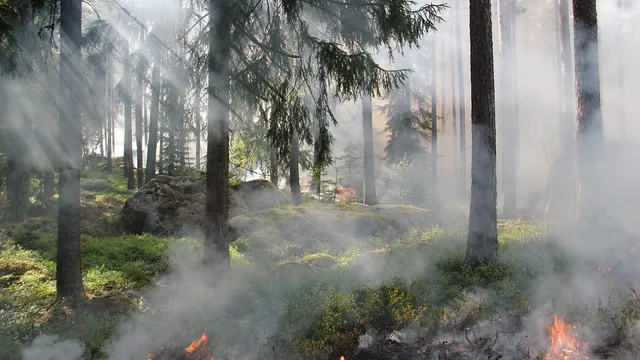
Lidingöloppet
Lidingö, Stockholm
30 kmLast weekend of September; the 30 km is on the Saturday (25 September 2027)
Denmark · Road
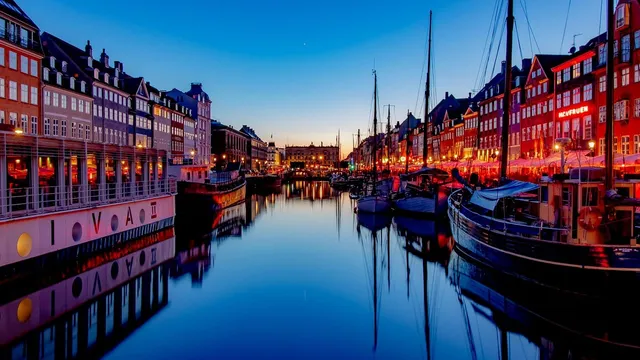
Copenhagen Half Marathon (CPH Half)
Copenhagen and Frederiksberg, Zealand
21.098 kmA Sunday in September: 19 September 2027 (2025 edition was 14 September; 2026 was replaced by the World Athletics Road Running Championships on 20 September)

Norway · Road
DNB Oslo Maraton
Rådhusplassen, Oslo
42.195 kmThird Saturday of September; 18 September 2027 (12 September 2026)
Sources
Figures and rules on this page come from these pages, read on the dates given. Organisers change dates, fees and rules: check the official site before you enter.
- Göteborgsvarvet - Home (2027 date, sold out) (opens in a new tab) (read 2026-10-15)
- Göteborgsvarvet - Race information (opens in a new tab) (read 2026-10-15)
- Göteborgsvarvet - Seeding system (opens in a new tab) (read 2026-10-15)
- Göteborgsvarvet - Race Course (opens in a new tab) (read 2026-10-15)
- Göteborgsvarvet - Waiting list (opens in a new tab) (read 2026-10-15)
- Göteborgsvarvet - FAQ: Unable to participate (opens in a new tab) (read 2026-10-15)
- Göteborgsvarvet - FAQ: Transfer an entry (opens in a new tab) (read 2026-10-15)
- Göteborgsvarvet - FAQ: Age requirement (opens in a new tab) (read 2026-10-15)
- Göteborgsvarvet 2027 är slutsålt med ett startfält på 48% kvinnor (26 May 2026) (opens in a new tab) (read 2026-10-15)
- Rekordstart för Göteborgsvarvet 2027 (25 May 2026) (opens in a new tab) (read 2026-10-15)
- Anmälan till Göteborgsvarvet 2026 är öppen (17 May 2025; price rises 31 May) (opens in a new tab) (read 2026-10-15)
- 24 varv runt jorden och 64 nationer: Göteborgsvarvet 2026 i siffror (3 July 2026) (opens in a new tab) (read 2026-10-15)
- Göteborgsvarvet results 2026 (sample for the median) (opens in a new tab) (read 2026-10-15)
- marathons.com - How to register for Göteborgsvarvet (fee range, July 2026) (opens in a new tab) (read 2026-10-15)