The season
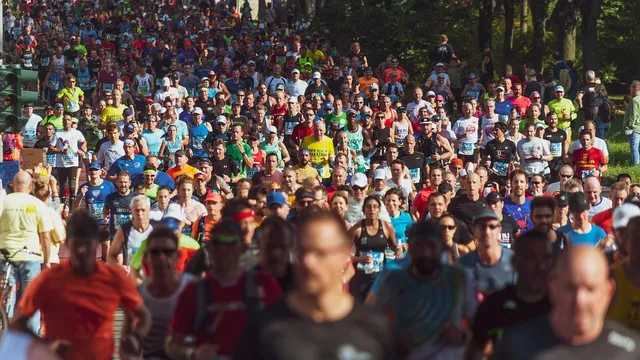
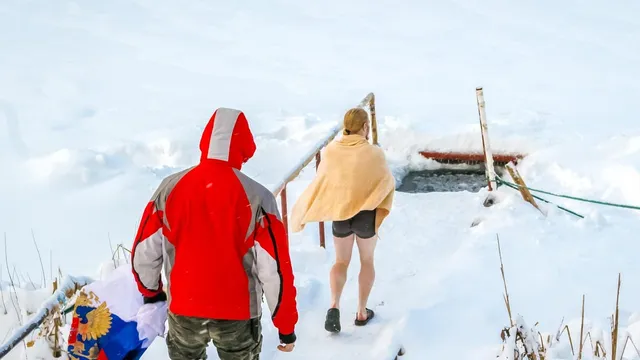
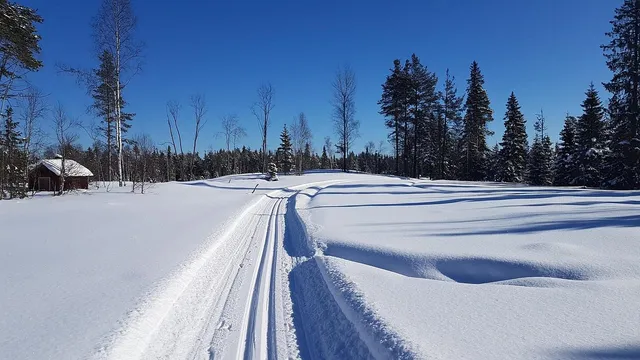
The year opens on ice. The Scandinavian winter swimming championships in Skellefteå, a stage of the international winter swimming world cup, are held in an ice pool cut into the sea at Kurjoviken over the last weekend of February or first of March. The ski classics follow in late winter: Vasaloppet's Winter Week ends with the 90 km race from Sälen to Mora on the first Sunday of March (1 March in 2026, 7 March in 2027), with more than 63,000 registered across the week's ski races in 2026. Spring belongs to the road: Göteborgsvarvet, a half marathon with 55,000 entrants, runs in the third week of May, and Stockholm Marathon follows at the end of May.
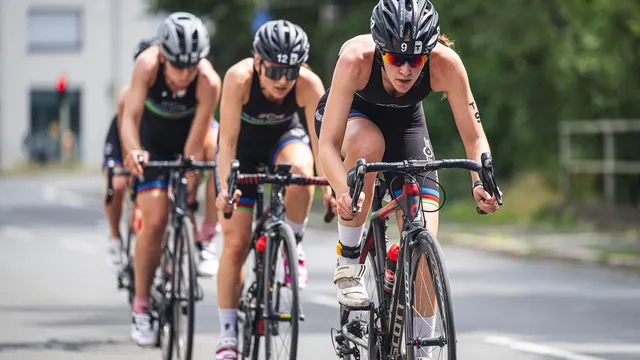
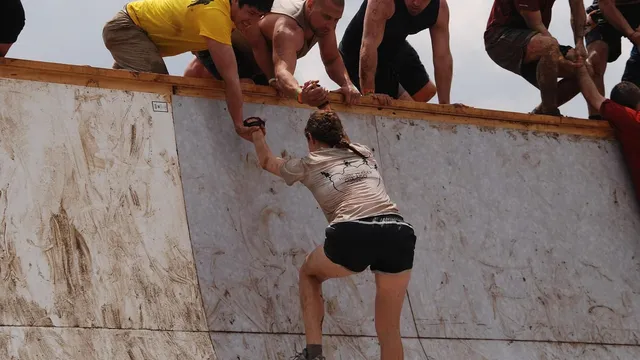
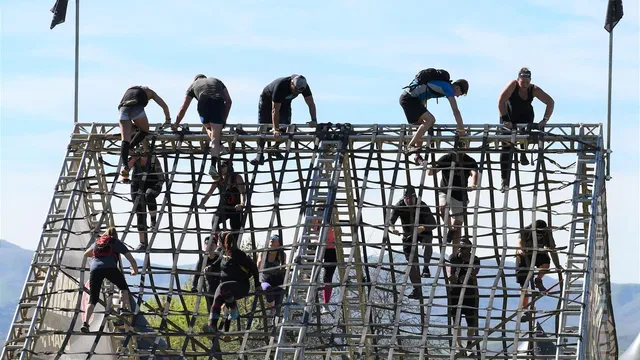
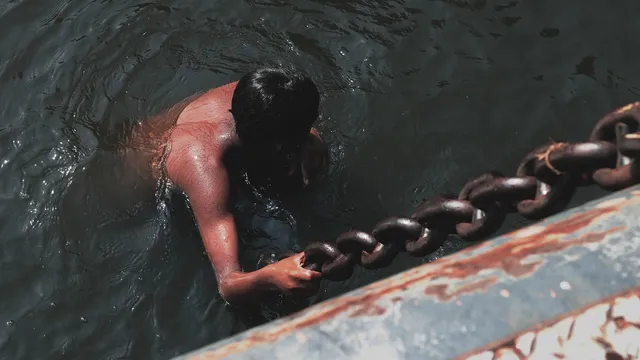
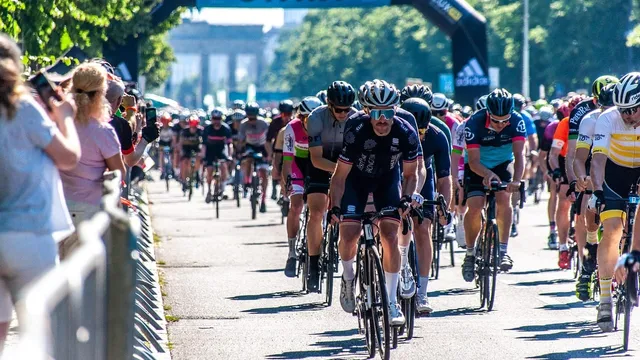
Midsummer brings the long rides and the lakes. Vätternrundan sends riders off from Motala from 19:30 on a Friday evening in mid-June to circle Lake Vättern through the short night, and the open water season runs from June to August. Trail, obstacle and multisport races fill July and August, when the mountains in Jämtland and the High Coast are snow-free, and Vasaloppet's Summer Week of cycling and running drew more than 26,000 entrants in 2026. Early September is swimrun's moment: ÖTILLÖ, the Swimrun World Championship, crosses the Stockholm archipelago from Sandhamn to Utö. The road and trail year ends on Lidingö on the last weekend of September, when around 35,000 runners take part in the Lidingöloppet weekend and 18,000 line up for the 30 km. From October the floodlit tracks take over until the snow comes.
Weather and daylight
Sweden is long. SMHI's 1991–2020 normals put the January daily mean at about 1 °C on the Skåne and west coasts, minus 1 in Stockholm, minus 5 in Mora and minus 11 at Kiruna airport, and SMHI notes that the coldest Lapland valleys can go below minus 40. In July the mean is around 18 °C in Götaland and southern Svealand, 16 in Mora and 13 in Kiruna. For the race seasons that means: a Vasaloppet start in Sälen where the March daily mean is minus 3 (minus 1 in Mora at the finish), so the 08:00 start is usually well below zero even in a mild year; a Göteborgsvarvet in May with a mean around 12 °C; a Vätternrundan night in June where the daily mean near the lake is about 15 to 16 °C but the small hours are far cooler, so riders carry a layer they will not use until 02:00; and a Lidingöloppet in late September at around 13 °C in Stockholm, often wet. Winter swimmers in Skellefteå compete in a February air mean of minus 7.
Daylight swings further than temperature. SMHI puts the day in southernmost Sweden at between 7 and 17 hours of sun above the horizon across the year, and the change in spring and autumn runs at about five minutes a day in the south and more than ten in the far north. Kiruna has midnight sun from late May to mid-July, 47 days without a sunset, and a polar night of 27 days around the winter solstice when the sun never rises, though there are hours of twilight. For kit: a headtorch is standard for any run or ski from October to March, ski starts need windproof layers and a warm change of clothes in the bag you hand in, and summer races north of Stockholm are run in light that lasts until midnight. The west coast is the wettest inhabited part of the country, at 1,000 to 1,300 mm a year by SMHI's figures, so Gothenburg races are planned for rain.
The right to roam
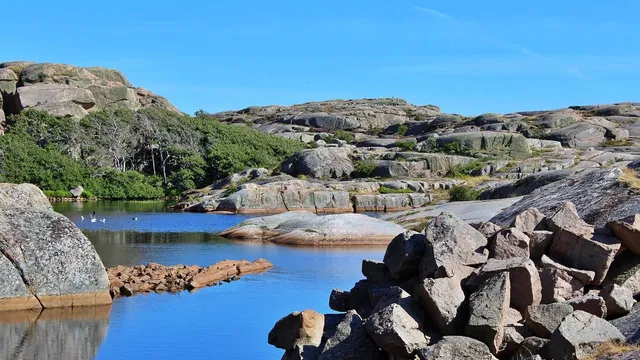
Allemansrätten, the right of public access, is the reason training in Sweden feels unrestricted. Naturvårdsverket, the environmental protection agency, sets it out: you may walk, run, ski, cycle, paddle and swim across almost all land and water, including privately owned land, as long as you keep clear of houses and their private zone, growing crops and newly planted forest. You may pitch a tent for a night or two where you cannot be seen or heard from a home, and two or three tents is the limit before you need the landowner's permission. Swimming, going ashore, mooring a boat and using a jetty that is not part of a home are all covered, and when the ground is frozen and snow-covered you may ski across farmland too.
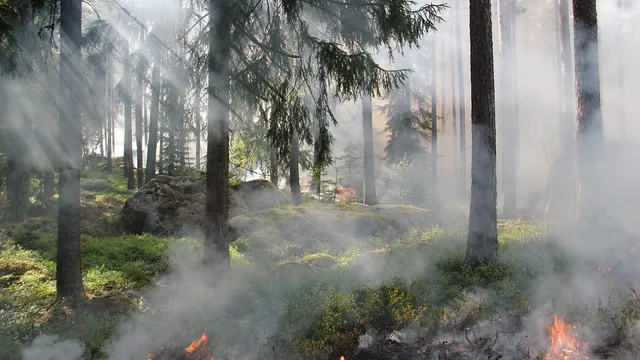
The limits matter for races and group training. Cycling is allowed on paths and private roads, but hiking and jogging trails are for walkers first, cycling is banned on marked riding paths, and recurring mountain-bike rides on one piece of land should be cleared with the landowner. Fires are permitted on safe ground such as gravel or sand, but county boards and fire services impose fire bans in dry weather that forbid every open fire, so check before you light one. National parks and nature reserves have their own rules, posted at the entrance in English, that often confine tents and bikes to marked sites and trails, and bird and seal protection areas close islands and shores in spring and summer. Organised events on someone else's land carry extra duties: the organiser must know the law, choose a season and site that do no harm, and sometimes apply for an exemption under the Environmental Code. Walking in a groomed ski track damages it for everyone; use the trail beside it. The agency's English pages were last reviewed in June and July 2025.
Getting around
Swedavia runs the ten airports that form the national network: Stockholm Arlanda, Göteborg Landvetter, Bromma, Malmö, Luleå, Umeå, Åre Östersund, Visby, Kiruna and Ronneby. Arlanda serves Stockholm Marathon, ÖTILLÖ and Lidingöloppet, Landvetter serves Göteborgsvarvet, and Åre Östersund is the gateway to the Jämtland mountain races. The rail network is about 15,600 km of track according to Trafikverket, and the trunk lines link Stockholm, Gothenburg and Malmö with the regional lines that reach race towns such as Motala, Mora, Kalmar and Örnsköldsvik.
The big organisers lay on the last leg. Vasaloppet asks every skier to use its official buses to the start in Sälen and back from Mora, with bookings opening at the end of November; you collect your bib in Mora or Sälen, hand your bag to a lorry at the start and find it at the finish, and buses take you from the finish portal to the showers. Vätternrundan starts in Motala from 19:30 on Friday and the finish closes at midnight on Saturday, so riders stay two nights in a small town, and accommodation goes before the entries do. Registration itself is staged: for 2027 you register a code between 17 June and 23 November and the places are released at 19:00 CET on 25 November. What fills first across the country is the entry: Stockholm Marathon 2027 was sold out by October 2026, Göteborgsvarvet had 29,000 registered two days after the 2026 race and expected to sell out in record time, and Lidingöloppet's 30 km reached its new cap of 18,000 on 16 September 2026, the first full field since 2014.
How people train here
Sport in Sweden is organised through clubs. Riksidrottsförbundet, the Swedish Sports Confederation, has 72 member federations with about 18,000 clubs and 3.1 million memberships, and the classics are themselves club property: Vasaloppet is a non-profit owned by IFK Mora and Sälens IF that returns 20 to 25 million SEK a year to clubs and federations, Lidingöloppet belongs to IFK Lidingö SOK and IFK Lidingö Friidrott, and Stockholm Marathon is run by Hässelby SK and Spårvägens FK with any surplus going back to the sport. Joining a club is the normal way in, and a newcomer who turns up to a club's Tuesday session will usually be shown the route and the pace groups without ceremony.
The everyday infrastructure is the elljusspår, the floodlit forest track. Statistics Sweden counts nearly 1,700 of them and a third of the population lives within a kilometre of one; in Västerbotten it is 60 percent. They are run on in autumn, skied on in winter when the municipality grooms them, and are where most Vasaloppet training happens. Workplace sport has its own federation, Korpen, built around company clubs and a national exercise week, and lunchtime runs and rides from the office are common enough that the big organisers sell team entries. Friluftsfrämjandet, the outdoor association founded in 1892, has 6,500 volunteer leaders taking groups out on foot, water, snow and ice. The running boom is young and female: a Sifo survey commissioned by Lidingöloppet in 2026 found that 67 percent of women aged 18 to 29 train running, and 18 to 30 year olds were the fastest growing group in its entries. The long goal many Swedes set themselves is En Svensk Klassiker: a ski race, Vätternrundan, Vansbrosimningen and Lidingöloppet within a year, and 4,152 people were registered to complete it at Lidingöloppet in 2026.
The classics
Vasaloppet is the one everyone has heard of: 90 km of classic-technique skiing from Sälen to Mora since 1922, the world's biggest cross-country ski race, with seven checkpoints, a 12-hour limit and a joint start at 08:00 for elite and first-timers alike from the year they turn 17. Lidingöloppet is its running equivalent, 30 km of forest trail on an island outside Stockholm on the last weekend of September since 1965 and by its own account the world's largest cross-country race. Vätternrundan is the cycling classic, 315 km around Lake Vättern from Motala through a June night, with 17,251 registered and 14,470 finishers in 2025. Göteborgsvarvet calls itself the world's largest half marathon and had 55,000 entrants in 2026. ÖTILLÖ, the Swimrun World Championship, is the race that created a sport: teams of two crossing 24 islands of the Stockholm archipelago over about 70 km, 61 of them on trail and 9 in open water, with a place earned on ranking points or a wild card. Around these sit the others the site covers, from Ironman Kalmar and Cykelvasan to the ice pool in Skellefteå.
Where to find out more
- Naturvårdsverket: the right of public access (opens in a new tab): The environmental protection agency's English guide to allemansrätten, with pages on camping, cycling, fires, swimming, skiing and protected areas. Read it before you train or camp off the marked routes.
- SMHI (opens in a new tab): The Swedish met office: forecasts, weather warnings, fire-risk maps and the 1991–2020 climate normals used on this page.
- Riksidrottsförbundet (opens in a new tab): The Swedish Sports Confederation, with a search for its 72 member federations and 18,000 clubs. The place to find a club near you.
- Svenska Skidförbundet (opens in a new tab): The ski federation; its national competition calendar lists the ski races of the winter.
- Svenska Friidrottsförbundet (opens in a new tab): The athletics federation, which sanctions road, trail and obstacle races and publishes the calendar of long-distance races.
- Svenska Cykelförbundet (opens in a new tab): The cycling federation: licence rules, sportive guidelines for road, gravel and MTB, and the race calendar.
- Svenska Triathlonförbundet (opens in a new tab): The triathlon federation: the licence rules that apply at Ironman Kalmar and other sanctioned races, and the race calendar.
- Friluftsfrämjandet (opens in a new tab): The outdoor association, founded in 1892, with volunteer-led groups across the country and a role in defending the right of public access.
- Swedavia (opens in a new tab): Operator of the ten national airports, including Arlanda, Landvetter and Åre Östersund.
- Trafikverket (opens in a new tab): The transport administration, responsible for the rail network and for road closures and permits that races depend on.