Sweden · Multisport and adventure
Fjällräven Classic Sweden
Nikkaluokta to Abisko along the Kungsleden (King's Trail), Lapland
Fjällräven Classic Sweden is a guided-logistics trek, not a race: 110 km on the Kungsleden from Nikkaluokta to Abisko, carried out in 3 to 7 days over one August week, with nobody timing you. We rate it on the same four meters as the races so you can compare it, but the challenge is to carry your kit through unmarked fell country in changeable weather. Fjällräven handles buses, bag transport, food and fuel; you walk and camp.
Official site (opens in a new tab)No. 4 of 41 in the toughness ranking
The race in brief
- Distance
- 110 km
- Climb
- 1,095 m
- Format
- 110 km point-to-point trek over 3 to 7 days, start on one of three days, five staffed checkpoints; camp anywhere except the last 15 km in Abisko National Park
- When
- A week in early August (6 to 14 August 2026; 2027 dates not yet published)
- Mid-pack time
- 3 to 7 days (organiser's figure); there is no timing and no results
- Cut-off
- No cut-offs. The finish at Abisko closes officially on the Friday at 12:00; if you arrive later you still get the patch and pin
- Entry fee
- 3 500 kr (Adult ticket 2026 (about 318 euros); youth born 2009 to 2020 2,300 kr, child born 2021 to 2026 1,250 kr. 2027 prices not published)
- Field
- Not stated on the pages read; places are limited and sold by session
- First held
- 2005
- Other distances
- 110 km Nikkaluokta to Abisko
- Organiser
- Fjällräven
Next edition: 2026-08-06 · 6 to 14 August 2026, start on 6, 7 or 8 August; tickets are sold first come, first served and the 2027 sale has not been announced on the pages read · Entries (opens in a new tab)
Checked 2026-10-15
How tough is it?
Four meters, each 1 to 5, rated by our published method. The basis under each one shows the figures behind the score. How we rate.
The organiser says you spend up to seven days on the trail, 3 to 7 days in all (experience.fjallraven.com, 2026). That is more than one day, so it scores 5. It is a trek with no timing, so there is no median time or results list. As of 2026-08.
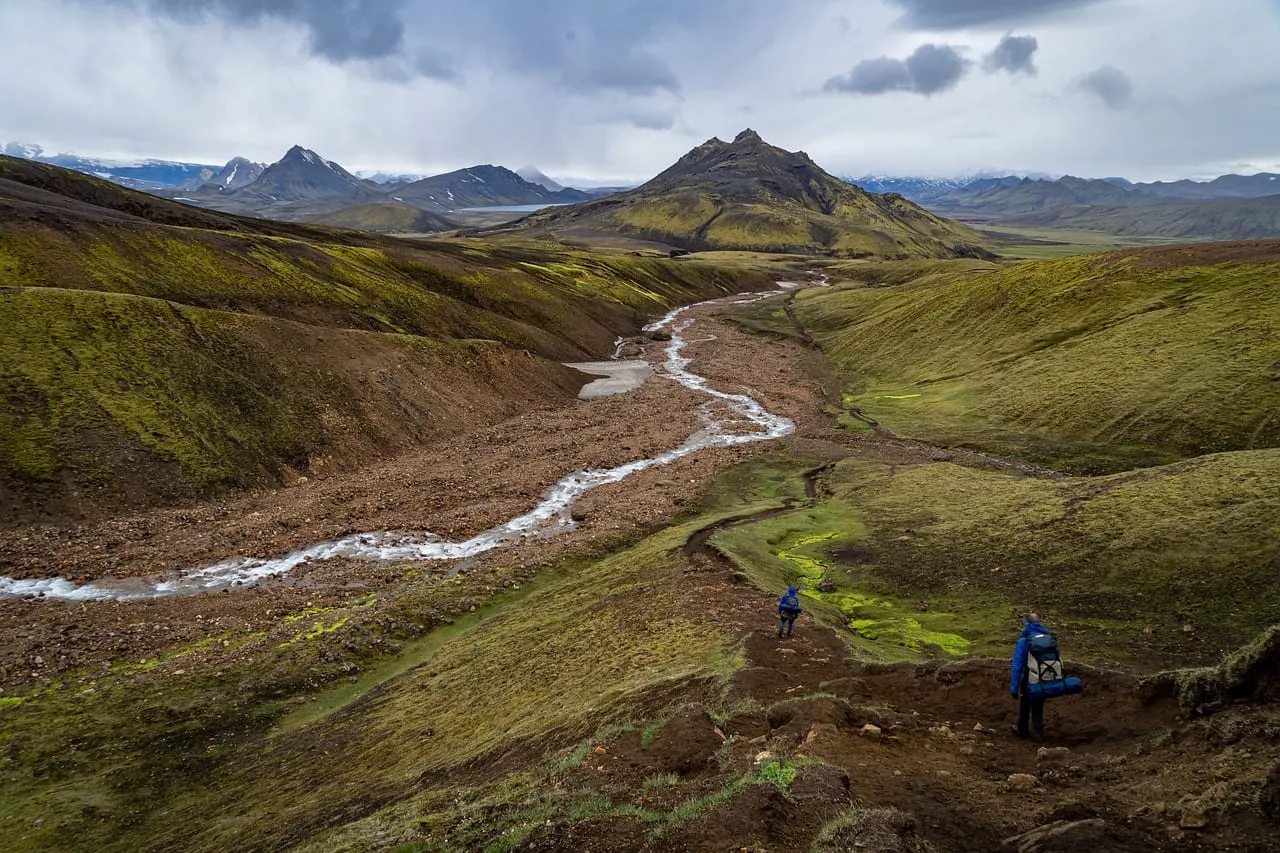
110 km on a rocky, roadless trail through birch forest, lakes, river crossings and the Tjäktja pass; about +1,095 m climb in total on the organiser's stage figures. The organiser calls the terrain varied, rugged and in need of care, and says the flat profile of some stages is deceiving because of rocks. As of 2026-08.
Early August above the Arctic Circle. The organiser says the weather is unpredictable, that there has been snow, and that gear must cover all conditions. No temperatures were sourced. There is no mandatory-kit list on the pages read, but the route has no shelter beyond staffed checkpoints and STF cabins. Borderline 2 to 3. As of 2026-08.
No cut-offs: you can withdraw at any time but must walk to Nikkaluokta or Abisko, and a late finish still earns the patch. Tickets are limited and sold first come, first served per start day; one source says the sale goes fast, but we did not confirm how quickly. Borderline 2 to 3. As of 2026-08.
The course
Buses take you from the check-in in Kiruna to Nikkaluokta, about one hour. The first 31 km to checkpoint Singi climb 428 m. After about 5 km you reach a Sami settlement at Ladjújávri, and from there a boat crosses Lake Laddjú, saving about 6 km (the boat is paid for on site and is not included).
From Singi the route follows the Tjäktjavagge valley through Sälka and up to Tjäktja, the highest point of the trek. The section before it looks flat but the ground is rocky and slow. After the pass the terrain eases from rock to grassland towards Alesjaure, where a second boat crossing saves about 6 km. Stage lengths on the organiser's page are about 31, 12, 15, 10, 19 and 19 km.
The last section runs through birch forest below the tree line to Abisko and the finish at Abisko Mountain Lodge. Camping is not allowed in the last 15 km, in Abisko National Park, except at Nissunjåkk, 5 km from the finish. Along the way five staffed checkpoints (Singi, Sälka, Tjäktja, Alesjaure, Kieron) stamp your trekking passport and you write your arrival time in a guestbook.
How to enter
Tickets are sold online through Fjällräven Experience, first come, first served; newsletter subscribers get early access. Each ticket carries a start day and bus time, and you must travel on that bus. Check in at Högalidsskolan in Kiruna the day before or the same morning.
The 2026 adult ticket was 3,500 kr. It includes the bus transfers from Kiruna Airport and station and to Nikkaluokta, transport of one bag (up to 60 litres or 20 kg) to Abisko, a 1:75,000 map, a trekking passport, stove fuel, freeze-dried meals and bread, a safety cover for your pack, a waste bag and a patch and pin at the finish. Flights, accommodation and the return bus from Abisko (400 kr) are extra.
How to train for it
Carry your real pack on rough ground
The trail is rocky and the pack has your food, tent and fuel. Do long walks with the full load on uneven, loose ground, not on gravel roads.
Practise river crossings and wet feet
There are rivers and lakes with no bridges at every point. Walk in wet boots for a day so you know how your feet and your pace behave.
Stack several long days
The trek is 3 to 7 days. Walk two or three consecutive long days, set up camp each night and see what hurts on day three.
Test your kit in bad weather
The organiser warns of unpredictable weather, snow included. Spend a night in your tent in wind and rain before you rely on it.
What you need
- A tent and sleeping kit you have tested; you may camp almost anywhere except the last 15 km, so you carry your own shelter.
- A stove; Fjällräven supplies fuel and freeze-dried meals, but not the stove or your own refill container for liquid fuel.
- Rainproof and windproof clothing and warm layers for fell weather.
- The organiser's trekking passport and orange safety cover, handed over at check-in and the start.
- Boots broken in on rough ground, plus a way to cross water.
- Cash or card for the boat crossings, which are not included.
Getting there and staying
Check-in is at Högalidsskolan in Kiruna (opening hours from Wednesday afternoon to Saturday midday in 2026). Night buses run from Stockholm (2,000 kr one way, 3,000 kr return) and trains and flights to Kiruna are options; there are buses from Kiruna Airport and the train station to check-in.
Your bag goes to Abisko while you walk. After the finish at Abisko Mountain Lodge you can pick up your bag; a transfer to Kiruna and Kiruna Airport costs 400 kr, and Camp Ripan, Scandic and Elite in Kiruna and Abisko STF and Abisko Mountain Station are among the listed places to stay. August is high season, so book early.
History
The first Fjällräven Classic in its current form was held in 2005 on the Kungsleden. It grew out of the Fjällräven Weeks that founder Åke Nordin started in 1979, and the Classic has since spread to other countries (Fjällräven Experience, 2026).
Where to find out more
- Fjällräven Classic Sweden (opens in a new tab): The organiser's event page with stage lengths and the sale.
- Tickets, travel and accommodation (opens in a new tab): Prices, what is included, buses from Stockholm and Kiruna.
- From start to finish (opens in a new tab): Check-in hours, checkpoints, camping rules and the finish.
Questions about Fjällräven Classic Sweden
Is this a race?
No. It is a trek with no timing and no results. You are free to set your own pace and camp where you like, apart from the last 15 km in Abisko National Park (Fjällräven Experience, 2026).
How long does it take?
The organiser says 3 to 7 days. The finish in Abisko closes officially at 12:00 on the final Friday, but you still get the patch and pin if you arrive later (2026).
What does the ticket include?
Buses, bag transport to Abisko, a map, a trekking passport, stove fuel, freeze-dried meals and bread, a safety cover and a waste bag. You bring your own tent, stove, clothes and sleeping kit (Fjällräven Experience, 2026).
Can I quit?
Yes, at any time, but the land is roadless, so you must walk back to Nikkaluokta or on to Abisko. Tell a volunteer at a checkpoint or call the number in your trekking passport.
Similar races
Sweden · Trail
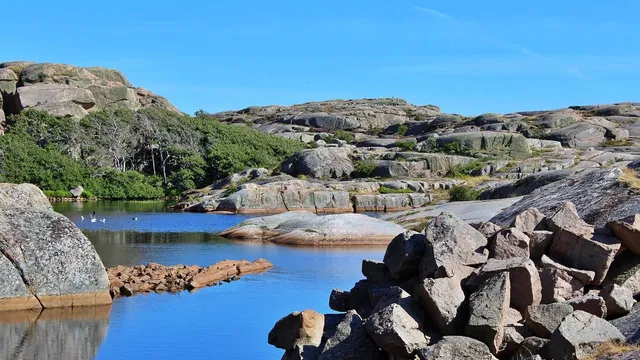
Höga Kusten Trail
FriluftsByn, Skuleberget, High Coast (Höga Kusten), Ångermanland
45 kmLast weekend of August (the 45 km on Saturday 28 August 2027)
Sweden · Ski
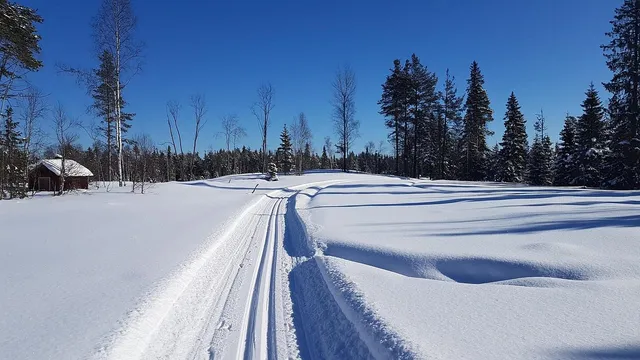
Vasaloppet
Sälen (Berga by) to Mora, Dalarna
90 kmFirst Sunday of March (7 March 2027)
Sweden · Multisport
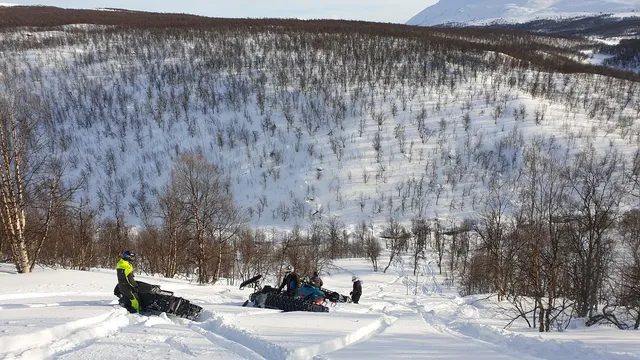
Åre Extreme Challenge
Tännforsen to Åre, Jämtland (start at the waterfall, finish on Åre beach)
69.7 kmSaturday at the end of June (27 June 2026); the 2027 date is not yet published
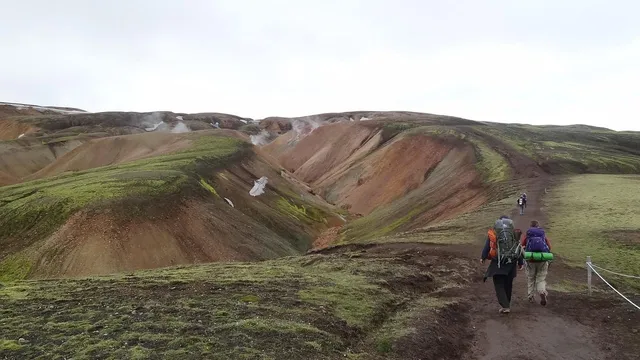
Iceland · Trail
Laugavegur Ultra Marathon
Landmannalaugar to Þórsmörk (Húsadalur), Fjallabak, southern highlands
55 kmA Saturday in mid July: 11 July 2026, 17 July 2027, 15 July 2028
Sources
Figures and rules on this page come from these pages, read on the dates given. Organisers change dates, fees and rules: check the official site before you enter.
- Fjällräven Experience: Classic Sweden (opens in a new tab) (read 2026-10-15)
- Fjällräven Experience: tickets, travel and accommodation (opens in a new tab) (read 2026-10-15)
- Fjällräven Experience: from start to finish (opens in a new tab) (read 2026-10-15)
- Fjällräven Experience: what is Fjällräven Classic (opens in a new tab) (read 2026-10-15)