What it is
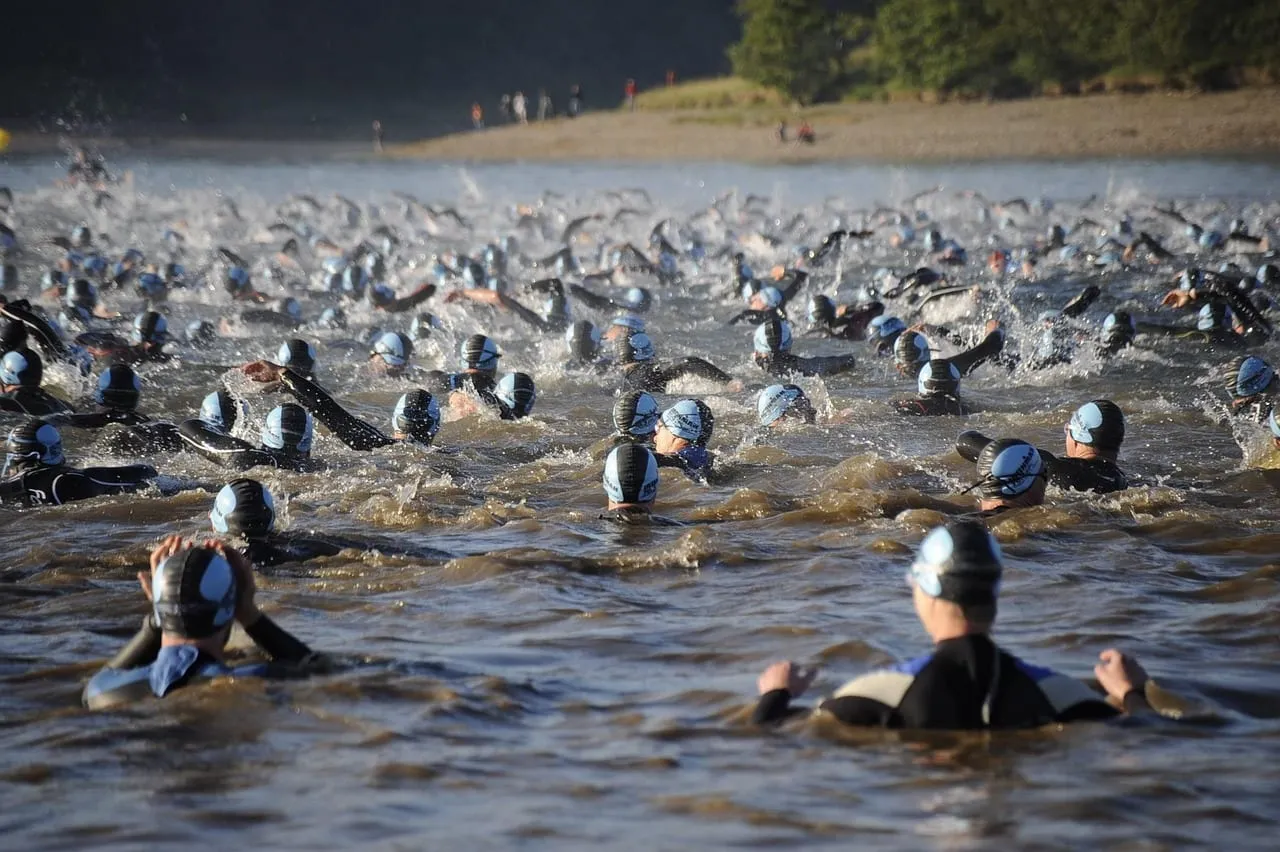
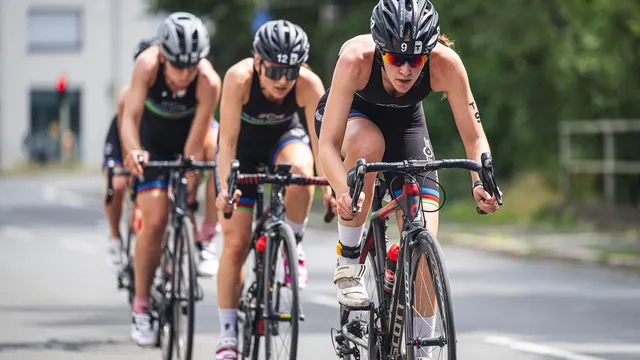
Triathlon is swim, bike, run in that order with the clock running through the changes. Sprint is about 750 m, 20 km and 5 km; standard is double that; a half is 1.9 km, 90 km and 21.1 km; and the full distance is 3.8 km, 180 km and a marathon. Ironman Kalmar and Ironman Copenhagen are full-distance races in mid-August with a one-loop sea or lagoon swim, a one-loop bike and a run of three or four laps through a city that turns out to watch. The extreme variant started in Norway: Norseman begins with a jump from a ferry into the Hardangerfjord at 05:00, 180 km of bike with more than 3,000 m of climbing and a marathon that ends with the climb to Gaustatoppen, and you bring your own support crew. Swedeman in Åre follows the same shape with a 3.8 km lake swim, 205 km of riding and a run up Åreskutan.
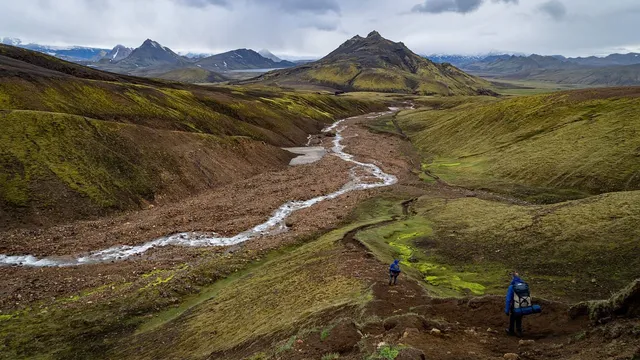
Adventure racing, which Swedes simply call multisport, is a team sport: usually two to four people who run, mountain bike and paddle between checkpoints they find with map and compass, with a transition area where the disciplines change and sometimes a ropes, swim or climbing section thrown in. Races last from a few hours to several days, and the team decides when to eat and sleep. Småland Adventure Race, for example, runs a long class of 22 to 26 hours, a short class of 11 to 13 and a 5 to 7 hour bike-and-run class on the same weekend. Beside these sit the mixed challenges this site also covers: Åre Extreme Challenge, a paddle on the Indalsälven below Tännforsen followed by a run and ride over the mountains to Åre square; Sulkavan Suursoudut, where crews row traditional wooden church boats 60 km around Partalansaari on Lake Saimaa; and Fjällräven Classic Sweden, a 110 km self-supported trek from Nikkaluokta to Abisko with checkpoints, luggage transport and no clock that matters.
Why it is Nordic
Triathlon arrived early and went to clubs. Sweden's first race was in Uppsala in 1983 and the federation now has nearly 200 clubs; Norway's federation dates from 1985 and counts close to 10,000 members in 180 clubs; Finland's was founded in 1986; Denmark runs a national triathlon week each year where clubs open their doors with an information evening and a free introduction course. Norway added the extreme end with Norseman, and today 7,956 people from 100 countries apply for around 250 start places. Kalmar's finish by the cathedral and Copenhagen's by the parliament have become the two big European full-distance weekends of August, and Finland has had Ironman-branded racing in Lahti and at Kuopio-Tahko.
Adventure racing fits the landscape better than almost anywhere: forest with a right to roam, lakes and coast for the paddle, and a population that already orienteers. Sweden's series and cup were dormant for years, but a volunteer-run ranking restarted in 2023 and the 2026 calendar lists a dozen races from Sportkullan and Östhammar to AIM Challenge in Sälen and Adventure Race Medelpad. Denmark's Montane Adventure Race around Copenhagen, normally a 24-hour winter race, hosted the European championship in August 2026 on a 36-hour course, and Kuopio in Finland stages the junior world championship in 2028. The rowing and trekking classics are older than any of it: Sulkava has rowed since 1968 and drew 2,099 rowers and about 9,000 visitors last summer, and Fjällräven Classic walks the King's Trail, where you may camp almost anywhere because the right to roam allows it.
What you need
For a first triathlon: swimming costume or trisuit, goggles, any roadworthy bike with a helmet, and running shoes. Open-water swims in the Nordics are often in 14 to 20 degree water and organisers allow or require a wetsuit at those temperatures; borrow or hire one for your first race rather than buying. A pair of elastic laces and a race belt save minutes in transition and cost almost nothing. Triathlon bikes, aero helmets and carbon wheels are what people spend money on in the first year and never what decides whether they finish. What organisers actually require is a helmet fastened before you touch the bike, a bike that passes a check, and at the extreme races a support crew with a car, warm clothing and, for the Norseman mountain finish, a companion who climbs with you.
For adventure racing the organiser lists mandatory team kit, typically a map case, compass, head torches, first-aid kit, whistle, mobile phone, buoyancy aids and often a GPS tracker they issue. Boats are usually provided or hired at the transition, so you need a mountain bike, trail shoes, a small pack and clothes for 12 hours of wet weather. Rowing at Sulkava needs nothing but a seat in a crew; the organiser sells individual rowing tickets that place you in a church boat. Trekking the Classic needs a tent, a stove and a pack you have carried for a weekend before, with food and gas available at checkpoints on the way.
Season and conditions
Races run from late May to September. Adventure races such as Småland start the season in late May, Åre Extreme Challenge is in late June, Swedeman and Sulkava follow in early July, Norseman is always the first Saturday of August, Ironman Kalmar and Copenhagen fall in the middle of August, Fjällräven Classic Sweden walks in August, and the Danish adventure-racing championship closes the summer at the end of the month. Water is the variable. A fjord in Hardanger at five in the morning, a Baltic strait at Kalmar and a sheltered lagoon at Amager are three different swims, and Norseman's own reports note fjord currents that stretch swim times even on a calm day. Mountain finishes add the second variable: Gaustatoppen and Åreskutan can be in cloud and near freezing while the start was warm, and at Norseman only the first 160 to reach the 37 km point finish on the summit; everyone behind them finishes the same distance on a lower course.
The off-season is for the engine. Triathletes here swim indoors from October to April, run and ski through the winter, and ride indoors or on studded tyres; the winter triathlon and duathlon national championships in Finland and Sweden exist because nobody stops. Adventure racers spend the winter orienteering on foot and skis, which is why the navigation at the summer races is faster than the running. Open-water swimming resumes in May in the south and June in the north, and your first race wetsuit swim should not be your first cold swim: start short and never alone.
Your first race
Start with a sprint triathlon run by a club, in a lake, in June or July. The federations say the same thing in each language: the easiest way in is to contact a club, and most sanctioned races in the calendar are short. A sprint takes an ordinary person 75 to 100 minutes, has a pool or lake swim where you can breaststroke the whole way, and lets you ride the bike you own. Enter in the winter, because club races are cheap and fill in spring. Move to a standard distance the same season if the sprint felt short, and leave the half and full distances for a second or third year; Ironman Copenhagen describes itself as the race for first-timers among the full-distance events because of the calm lagoon swim and the city course, and that is where Nordic athletes usually go for their first long day. Norseman is not a first anything: you need a ballot win, a crew, a car and a history of long races, and the 2027 edition has stricter cut-offs than before.
For adventure racing, pick a short or bike-and-run class of 5 to 7 hours at a Swedish race, join as a pair, and let the organiser's roadbook and easy navigation carry you; the long classes with night sections come after that. For the Nordic classics, buy a rowing ticket at Sulkava and sit in a crew, or walk the Classic with a friend over five or six days with the boat shortcut and the checkpoints doing the planning. On every one of these days the same rules apply: arrive the day before, lay your kit out in the order you will use it, start slower than feels right, and eat at every transition.
Where to start
Book three swim sessions this month
The swim is the leg that stops people entering. Go to the local pool three times, swim 20 lengths however you can, and ask about an adult crawl course; most Nordic pools and triathlon clubs run one every winter.
Find the club, not the race
The Swedish, Norwegian, Danish and Finnish federations list clubs by town, and Denmark's triathlon week offers a free intro course. One group session a week gives you a coach, people to ride with and a first race chosen for you.
Do a brick once a week
Ride for 40 minutes, change shoes in the hallway and run for 15. The first kilometre on legs that have just cycled is the only thing in a sprint that will surprise you, and after four bricks it will not.
Enter a short adventure race as a pair
Pick a 5 to 7 hour class at one of the Swedish races in the 2026 and 2027 calendars, borrow a mountain bike and learn to read a map on the way. Teams of two are allowed and nobody expects you to paddle well.
Swim outside before race day
From June, swim in a lake with a friend, close to shore, for ten minutes, then twenty. Cold water is a shock and the first open-water breath is harder than any pool length; do it before the start horn, not after.