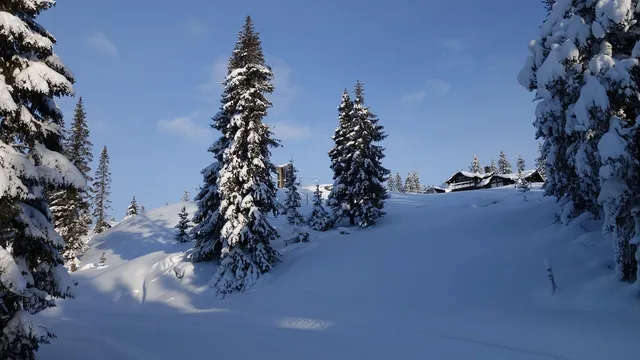
Norway · Ski
Birkebeinerrennet
Rena to Lillehammer, Innlandet
53 kmA Saturday in mid March; 20 March 2027 (87th edition)
DurationLong day
TerrainMountain
ColdWinter
Cut-offsGenerous
Disciplines
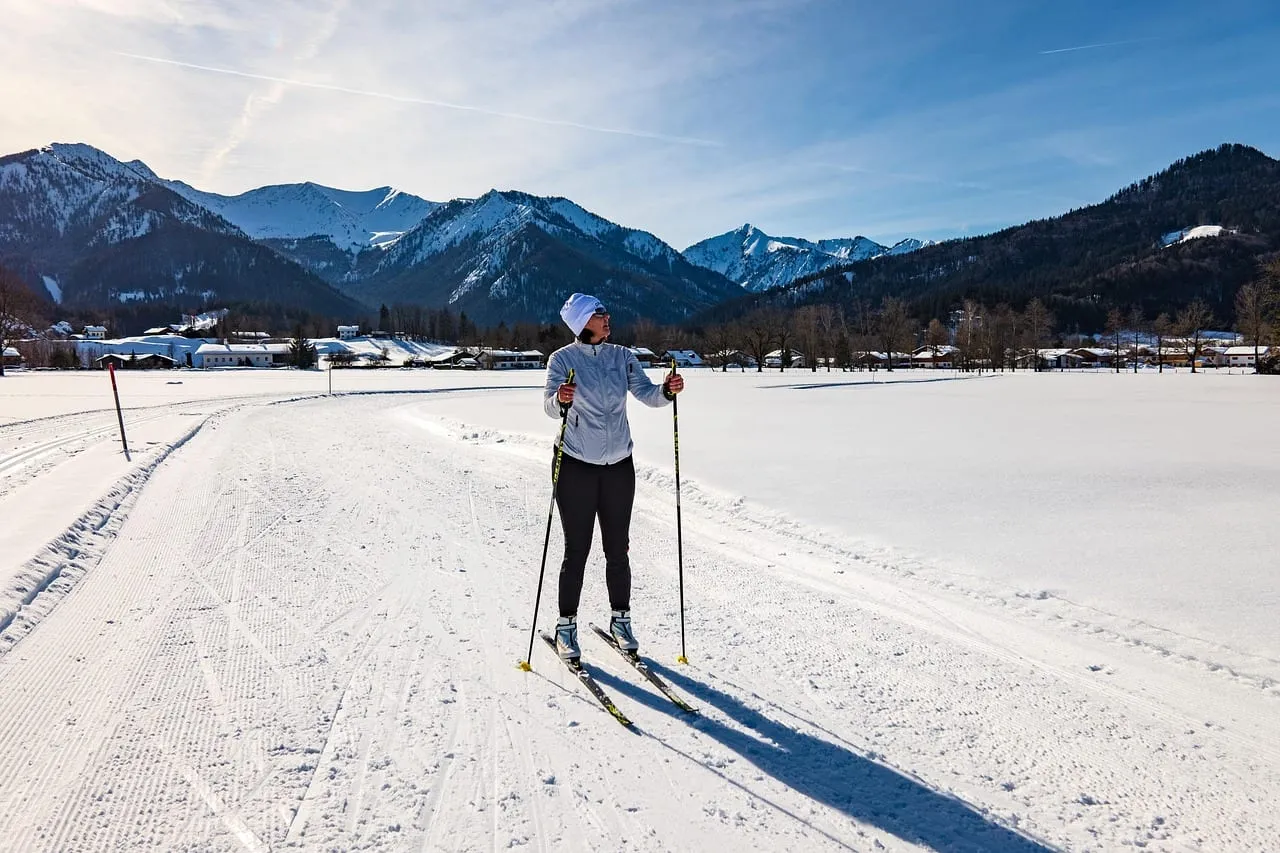
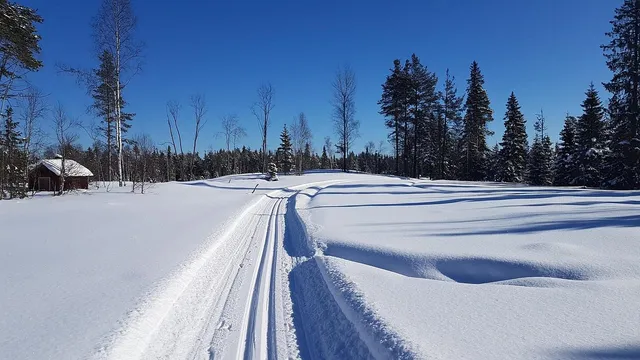
Cross-country skiing is the Nordic winter sport: thin skis in prepared tracks through forest, over fells and across frozen lakes, in classic or skate technique. Sweden, Norway and Finland host the biggest mass-participation ski races in the world, and the same track carries the elite and the person who learnt to ski in November. Vasaloppet's Winter Week took 63,384 entries in 2026, the highest since 2019, and most of those skiers are ordinary people who train outside after work.
There are two techniques. Classic is skied in two parallel tracks with a diagonal stride and double poling; the skis need grip under the foot, from grip wax or a mohair skin, and glide at tip and tail. Skate (free technique) is skied on a wide groomed lane with a motion like ice skating, longer poles and skis without a grip zone. Worldloppet's own guidance is that classic is the easier one to begin with and that you should get comfortable in one technique before learning the other. Races state which technique applies: Vasaloppet, Birkebeinerrennet and the main Finlandia-hiihto are classic, and in a classic race any skating leads to disqualification. Freestyle races, such as Vasaloppet's Öppet Spår Monday and SkøyteBirken, allow both.
The heart of the sport in the Nordics is the long-distance race, called långlopp in Sweden and turrenn in Norway: 30 to 90 kilometres, mass start in seeded groups or waves, checkpoints every 10 to 15 kilometres with warm drink, buns and grip-wax help, firm cut-off times and a finish with a medal, a diploma and a bus to the showers. Every big arena also runs shorter races (10, 20, 28 or 30 kilometres), night races, relays and children's races. Worldloppet links the biggest one from each country, and four of its twenty races are Nordic: Vasaloppet (90 km), Birkebeinerrennet (54 km), Finlandia-hiihto (62 km) and Fossavatnsgangan in Iceland (50 km). Fluorinated wax has been banned at all FIS and Worldloppet races, including the mass field, since the 2023/24 season.
Skis were transport here long before they were sport, and the great races are built on that history. Vasaloppet has been skied from Sälen to Mora since 1922 and now has eleven start groups and more than two million finishes across its ski, bike and run events. Birkebeinerrennet started in 1932 and still makes every skier carry a backpack over the mountain from Rena to Lillehammer, a symbol of the infant prince Håkon Håkonsson being carried to safety in 1206; the required weight was 5.5 kilos in 1932, 3.5 kilos from 1993 and is 2 kilos from the 2027 race. Finlandia-hiihto has run in Lahti since 1973. Fossavatnsgangan in Ísafjörður is skied in April. Worldloppet itself was founded in Uppsala in 1978.
What is different about skiing here is access and habit. The right to roam (allemansrätten in Sweden, allemannsretten in Norway, jokaisenoikeudet in Finland, which names moving on skis explicitly) means you can ski across most forest, field and frozen lake outside gardens and cultivated land, as long as you do no damage. Clubs and municipalities groom thousands of kilometres of track, many lit in the evening, and towns from Stockholm to Oulu open artificial-snow loops in November. The Swedish Ski Association's slogan is skidor hela livet, skiing for life, and it is normal to see children, pensioners and national-team skiers in the same track on a Tuesday night. Participation is rising again: Vasaloppet's 2026 year was its strongest since before the pandemic, with 89,916 registrations across all its events, and Tjejvasan, the women's 30 km, had 7,850 entries, the most since 2017.
The minimum is skis, boots and poles for one technique, plus clothes that handle sweat and cold: a thin base layer, a windproof front, light gloves, a hat and a buff, and sunglasses on bright days. For a first winter, classic skis with a mohair skin under the foot are the sensible choice: no grip wax, works in most snow, and good enough for a 30 km race. Rent or borrow for the first month; many clubs and ski centres lend equipment, and some roller-ski seeding races even provide the skis. Skate kit comes later if you want it.
Waxing is simpler than the forums make it sound. Every ski needs glide wax on the base a few times a season, ironed in or applied as a liquid. Classic skis without skins also need grip wax in the kick zone, chosen by snow temperature, and that is the part that takes practice; at Vasaloppet every checkpoint offers grip-wax help, so a failing kick is not the end of your day. Only fluoro-free wax is allowed in races. Organisers add their own requirements: Birkebeinerrennet demands the 2 kilo backpack with extra clothing for the mountain, Vasaloppet suggests a phone, spare socks and hat, snacks and a headlamp if you may still be out after 17:00. What people waste money on is race-level carbon skis before they can double-pole, and large wax kits they never open.
Natural snow usually arrives in northern Sweden, Norway and Finland in November and lasts into April; in the south it is December or January to March, and some winters are thin. Denmark has almost no ski season, which is why Danish skiers train on roller skis and travel. Iceland's main race is in April. The race calendar runs from January to March: Finlandia-hiihto 20 to 21 February 2027, Vasaloppet's Winter Week 26 February to 7 March 2027, Birkebeinerrennet 20 March 2027 and Fossavatnsgangan 17 April 2027. Expect anything from minus twenty and squeaky snow to wet snow at plus three, and wind on the open parts: in 2026 Birken delayed its Friday races by two hours because of wind and heavy precipitation in the mountains.
Skiers here train all year. Summer and autumn are roller skiing on cycle paths, running and hill bounding with poles, strength work and long days on foot in the hills; roller-ski races of 40 km or more count as seeding races for Vasaloppet. When the first artificial-snow loop opens in November the club sessions move onto snow. In Ísafjörður the organiser runs weekly group training (Fossaþrek) through the autumn to be ready for April. Track etiquette matters: keep right, overtake on the left, do not walk or let dogs loose in the tracks.
Choose a 30 km classic race in one of the big arenas, or a local club race, before you think about 90 km. Vasaloppet 30 (classic, from age 11, 735 to 1,250 SEK) and Tjejvasan (30 km, women) run the last part of the Vasaloppet track from Oxberg to Mora with two checkpoints and generous cut-offs; HalvBirken is 28 km; Finlandia-hiihto has 20 and 32 km starts in the afternoon; Fossavatnsgangan offers 12.5 and 25 km. Registration for the next Vasaloppet opens the week of the race, with fees rising in steps (2,460 SEK in February 2026 to 2,985 SEK in the final week for the 2027 race) and popular races sell out. Birkebeinerrennet raises its price on 1 November.
If you go for the full distance: Vasaloppet is 90 km with seven checkpoints and firm cut-offs (Smågan 11:00, Evertsberg 15:00, Eldris 19:00), about twelve hours for the whole course; Birkebeinerrennet is 53 km with 1,121 metres of climbing and the backpack; you can enter from the year you turn 17 at Vasaloppet and 16 at Birken. Without a previous result you start in Vasaloppet's group 10; finishing any seeding race of 40 km or more lifts you to at least group 9, and seeding results are valid for three years, dropping one group per year. Be realistic about time: in 2026 the winner took 4 hours 34 minutes, and the seeding table places a 10 hour 22 minute skier in group 7 and an 11 hour 31 minute skier in group 8, so eight to eleven hours is a normal first Vasaloppet. The day itself is simple: collect your bib the day before, hand your bag to the lorry, be in your start pen by 07:45, keep right, eat at every checkpoint, and if it is not your day, drop out at a checkpoint and take the bus to Mora. Every finish counts.
Find the nearest groomed track (in Sweden Skidspår.se lists them; municipal artificial-snow loops open in November) and ski thirty minutes of easy diagonal stride two or three times a week. Technique comes from kilometres, not from reading.
Borrow or rent for a month. Then buy classic skis with a mohair skin, boots that fit and poles to the armpit; that one set will take you through a first 30 km race without any grip waxing.
Most towns have a ski club with an adult beginners' group or a master group; the Swedish Ski Association lists coaches under Hitta din skidcoach, and Norwegian and Finnish clubs run the same thing. One coached evening fixes more than a season of guessing.
Put a 30 km classic race in the calendar as soon as the snow comes. If the 90 km is the goal, ski one seeding race of 40 km or more the winter before: you learn feeding and pacing and you start in group 9 instead of group 10.
Buy or borrow roller skis in spring and keep the double-poling going on a quiet cycle path with a helmet. Add running with poles uphill. Autumn is when next winter's race is won.
Norway · Ski
Rena to Lillehammer, Innlandet
53 kmA Saturday in mid March; 20 March 2027 (87th edition)
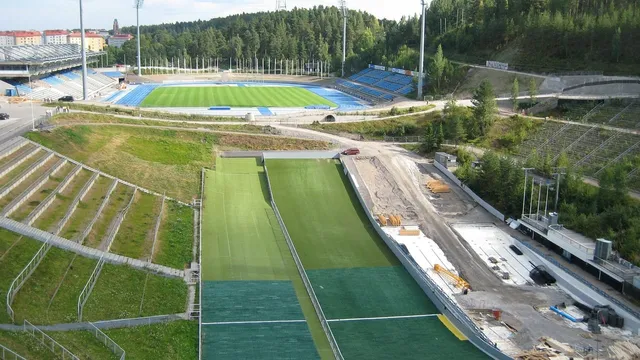
Finland · Ski
Lahti Sports Centre, Lahti and Hollola, Päijät-Häme
62 kmThird or fourth weekend of February; 20–21 February 2027
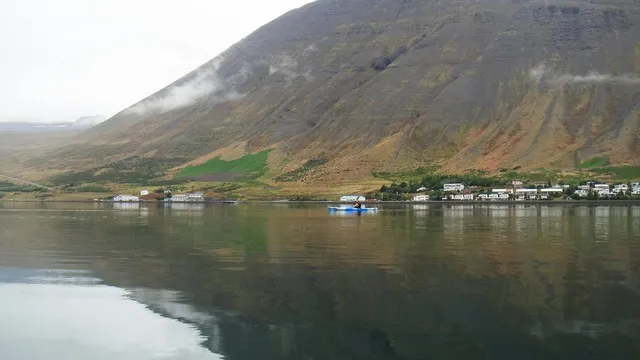
Iceland · Ski
Seljalandsdalur above Ísafjörður, Westfjords
50 kmThe last Saturday of the Icelandic winter, mid April: 18 April 2026, 17 April 2027, 8 April 2028, 14 April 2029
Sweden · Ski
Sälen (Berga by) to Mora, Dalarna
90 kmFirst Sunday of March (7 March 2027)
The course closes after about twelve hours and each checkpoint has a cut-off, from 11:00 at Smågan to 19:00 at Eldris. The 2026 winner took 4 hours 34 minutes; the seeding table places a 10 hour 22 minute finisher in group 7 and 11 hours 31 in group 8, so eight to eleven hours is a normal day for a first-timer starting at the back.
For a first winter, no. Skin skis give grip without grip wax; you only need glide wax on the base now and then, and shops or clubs will do it. If you race on waxable classic skis, learn one grip wax for cold snow and one for around zero, and remember that Vasaloppet checkpoints offer grip-wax help. Fluorinated wax is banned.
Classic. It is easier to learn, the big Nordic classics (Vasaloppet, Birkebeinerrennet, Finlandia-hiihto) are classic-only, and you can still double-pole the flat parts. Skating is a second winter project if you want it, and a freestyle race like Öppet Spår Monday lets you use either.
People do, and the cut-offs allow a slow but steady day, but a 30 or 45 km race first is the better plan: you learn to eat, to ski in a crowd and to handle a long descent before you commit to twelve hours. Vasaloppet 45 and Öppet Spår are the natural steps up.
Every skier carries a backpack over the mountain from Rena to Lillehammer, weighed at a minimum of 2 kilos from the 2027 race (3.5 kilos before that). It is a symbol of the baby prince carried across in 1206 and a safety rule: put extra clothing, food and a windproof layer in it, not dead weight.
You stop. Your chip is taken care of at the checkpoint and a bus takes you to the finish; at Vasaloppet you must leave the checkpoint within ten minutes of the cut-off. Organisers say plainly that it is fine not to finish and that medical staff may stop you for your own safety.