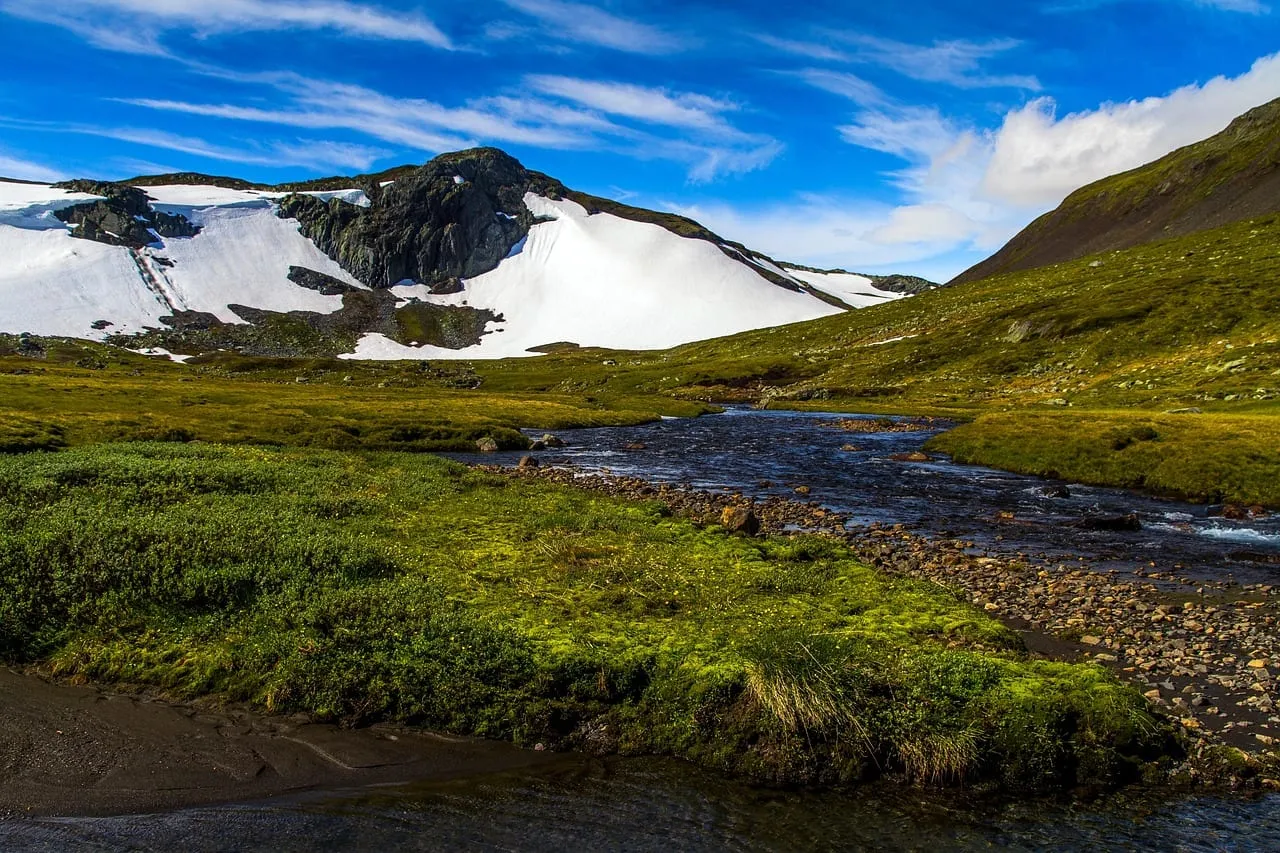
Norway · Trail running
Birkebeinerløpet
Birkebeineren Ski Stadium to Håkons Hall, Lillehammer, Innlandet
Birkebeinerløpet is a 20.2 km trail run on the Olympic ski tracks and forest paths above Lillehammer, held on a Saturday in mid June as the main race of the LøpeBirken weekend and billed as Norway's largest trail run. It is a friendly, rolling race rather than a mountain one: 337 m of climb, a highest point of 611 m and a median finishing time of about two hours, with around 4,900 finishers in 2026. The same weekend has longer races over the real Birkebeiner mountain trail, from the 12 km HalvBirken to the 60 km UltraBirken.
Official site (opens in a new tab)No. 35 of 41 in the toughness ranking
The race in brief
- Distance
- 20.2 km
- Climb
- 337 m
- Format
- 20.2 km point to point on forest trail, dirt road and former Olympic ski tracks, seeded wave start in 30 waves from 11:00, real time from the start mat (elite classes on start shot)
- When
- A Saturday in mid June; 12 June 2027 (29th edition)
- Mid-pack time
- About 2 h 01 min (median of roughly 4,800 timed finishers, 2026, calculated from the official results list)
- Cut-off
- One cut-off: Sjøsetervegen (7.7 km) at 16:00, which the last wave (start 13:30) reaches with hours to spare; the finish area is open until 18:00
- Entry fee
- 735–1 045 kr (2027 edition, rising in four steps from early bird (14 to 22 June 2026) to full price (1 to 11 June 2027); 800 kr for ages 16 to 28; the compulsory licence is 50 kr extra)
- Field
- 4,977 started and 4,918 finished of 5,987 entered (2026)
- First held
- 1999
- Other distances
- HalvBirken 12 km (10:00) · Birken Aktiv mot kreft 7.5 km (10:45) · Birken fjellmaraton 42 km from Sjusjøen (08:30) · UltraBirken 60 km from Sjusjøen (08:00) · UngdomsBirken and BarneBirken (children and youth)
- Organiser
- Birken AS, Rena (non-profit; surplus goes to local sports clubs)
Next edition: 2027-06-12 · Entries open for the 2027 edition since 14 June 2026 with an early-bird price to 22 June; online entry closes 11 June 2027 at 20:00 if places remain · Entries (opens in a new tab)
Checked 2026-10-15
How tough is it?
Four meters, each 1 to 5, rated by our published method. The basis under each one shows the figures behind the score. How we rate.
Median finishing time about 2 h 01 min across roughly 4,800 timed finishers in 2026 (calculated from the official LøpeBirken results PDF, 2026-06). Quartiles 1 h 45 min and 2 h 18 min; the slowest tenth over 2 h 37 min. Winners around 1 h 11 min. Borderline with 3: half the field is out for just over two hours. As of 2026-06.
20.2 km with 337 m climb and 569 m descent (Birken GPX data), about 17 m per km. Surfaces are grass-covered ski tracks, forest paths, gravel road and rocky sections with wet patches; the highest point is 611 m at Sjøseterlia and the first 6 km include steep, slippery downhills in the wet. Real trail, but never technical mountain terrain. Official course description, 2026-10. As of 2026-10.
Mid June in Lillehammer: the June mean was 16.2 °C in 2026 against a 1991-2020 normal of 14.9 °C (Yr station table, 2026-09), with June the wettest month of 2026 at 108 mm. Start at 525 m is a little cooler than the town. No mandatory clothing for this distance; it is a summer race where rain is the main variable. As of 2026-09.
A single cut-off, Sjøsetervegen at 7.7 km by 16:00, against a last start at 13:30 and a slowest-wave estimate of over 2 h 15 min (Birken race information, 2026-10). 99 per cent of starters finished in 2026 (4,918 of 4,977). Entry is open to anyone aged 16 or over, online until the week of the race while places remain, with free choice of start wave. As of 2026-10.
The course
The start is at the Birkebeineren Ski Stadium in Lillehammer at 525 m, the Olympic cross-country arena of 1994. The first 6 km follow the Olympic ski tracks, a mix of grass-covered ski track and forest path, up to the highest point of the course at 611 m at Sjøseterlia. Birken warns of steep downhill sections here that are slippery in the wet. After Sjøseterlia the course joins the Birkebeiner Trail coming down from Sjusjøen, loops towards Nevla, crosses Sjøsetervegen at 7.7 km (the cut-off and a timing checkpoint) and runs on grass along Sagmyra.
From there the Ingalåmi trail climbs towards Myggbukta on a built-up path of dirt, gravel and some stones, then eases to a gentle forest-road descent to the Mesnasaga aid station at about 10 km. You cross the Mesna river on a firm but rocky path, follow Vårsætervegen (flat gravel with grass at the edges) and return to the Ingalåmi trail 1.5 km before Kroken at 14 km, where there are wet and more technical sections. Kroken is the last timing checkpoint, 6 km from the finish.
The final stretch starts with a flat, rocky trail with soft spots, joins the Maihaugen trail with some short steep hills, and then runs onto the flat Tverrløypa, which is firm and easy to run. You cross two local roads in the Nybu area, with marshals, and drop diagonally from the top of Kleivbakken to a short loop and the finish at Håkons Hall. The hard part is not any one climb but the repeated short ups and downs on uneven, damp ground in the middle third, so people who start fast on the Olympic track pay for it from Mesnasaga on.
Aid stations are at the start (refill), Sjøseterlia 6 km, Mesnasaga 10 km and Kroken 14.5 km, with sports drink, water and bananas, plus pastry and cola later; in warm weather there is an extra water station about 2 km from the finish. Everything is included in the fee, including protein shake, soft drinks and sausage at the finish. The timing chip is on the back of the bib, and littering is penalised with 15 minutes added to your time.
How to enter
Entries for the following June open the week after the race: for 2027 an early-bird price ran from 14 to 22 June 2026, and online entry closes on 11 June 2027 at 20:00 if places remain. The race did not sell out in 2025 or 2026 on the figures available (6,028 and 5,987 entered), so there is no race for places, but the price rises in steps. You choose a start wave when you enter and can change it on My Page until 9 June 2027. Anyone aged 16 or over on 31 December 2027 can take part.
Fees for the 2027 edition are 735 kr (about €65 at roughly 11 kr to the euro) as early bird, 845 kr until 31 March 2027, 945 kr until 31 May and 1 045 kr at full price. A reduced price of 800 kr applies at ages 16 to 28 (Birken Young), and a Birkebeiner Triple package (ski, run and bike) is sold at 3 350 kr. Re-registration to another person costs 195 kr. A licence is compulsory for everyone aged 13 to 79, including foreigners, and costs 50 kr on top; you buy it when you enter or at the race office.
The waves are free: the organiser lists expected finish times from under 1 h 28 min (waves 1 and 2) to over 2 h 15 min (wave 30), so pick one that matches your honest time. Elite classes need no qualification but expect under 1 h 22 min for men and under 1 h 40 min for women. There is also an untimed class, Trim uten tid, where no result is shown. A Birkebeiner medal goes to anyone within the average of the top five in their class plus 25 per cent; 30 per cent of starters earned one in 2026.
How to train for it
Run on wet, rooty, uneven ground
The course is mostly forest path, grass-covered ski track and rocky built-up trail with wet patches, not gravel. Do your long runs on a similar surface so ankles and calves are used to uneven footing; a flat road runner will find the middle third slower than the profile suggests.
Practise downhill running before the first 6 km
The course drops 569 m against 337 m of climb, and the first 6 km contain steep downhill sections on Olympic tracks that Birken warns are slippery in the wet. Include controlled descents in training, with short quick steps rather than braking, so your quads still have something left at Kroken.
Train for rolling, not one big climb
There is no long climb; the effort comes from many short ups between 525 and 611 m. Hill repeats of 1 to 3 minutes and rolling tempo runs of 40 to 60 minutes suit it better than a single long ascent.
Pick your wave honestly
Waves are free and 30 of them run in five-minute steps from 11:05, with expected times from 1 h 28 min to over 2 h 15 min. A wave too fast means being overtaken on narrow trail, a wave too slow means passing for 20 minutes; use a recent 10 km or half marathon time and add 10 to 15 per cent for the terrain.
Fuel from the start and carry nothing
Aid stations at 6, 10 and 14.5 km serve sports drink, water and bananas, and Birken's own advice is to drink before you get thirsty. Rehearse taking drink on the move from a cup at race pace, and bring your own gels only if you rely on a specific product.
Rehearse the longer races on the Birkebeiner trail
If you are thinking of the 42 km fjellmaraton or the 60 km UltraBirken, they share this trail from Sjusjøen, but start at 08:00 and 08:30 and are a different level of effort. Use a course day on the Ingalåmi and Maihaugen trails to see how the surface feels when tired.
What you need
- Trail running shoes with grip for damp grass, roots and rocky sections; the rules cap sole thickness at 40 mm for non-spiked shoes (20 mm for spikes) in this race
- The bib pinned to the front of your top, visible at all times; the timing chip is built into it, so do not fold or cut it
- A valid running licence for Norway (50 kr when entering), which foreigners also need; bring the card if you have a club licence
- No headphones or audio of any kind; the rules ban them for safety, and pets are not allowed on the course
- A light rain jacket for the start area, which you can leave in the bag, because June in Lillehammer is the wettest month of the summer
- A cap or sunglasses for the open parts, and a handheld cup or soft flask if you like to carry drink between the aid stations
- Clothes for the finish at Håkons Hall; showers and changing rooms are open from 10:00 to 18:00
Getting there and staying
Lillehammer is about two hours by train or road from Oslo Airport at Gardermoen. The start (Birkebeineren Ski Stadium) and the finish (Håkons Hall) are about 10 minutes apart by road, so Birken recommends you park near Håkons Hall (110 kr) and take the free shuttle bus, running 08:00 to 18:00. Free shuttles also meet the trains arriving at 08:51, 09:58 and 10:58. For 2026 Birken sold a round-trip bus from Oslo Bus Terminal, Olavsgård and Gardermoen for 750 kr, booked on My Page.
Bibs are handed out at the Håkons Hall race office on Friday from 10:00 to 21:00 and on race day at the start from 08:00. The Sport 1 expo is in Håkons Hall on Thursday and Friday. There is no bag drop information on the page beyond showers and changing rooms at Håkons Hall; check the race info closer to the date. Accommodation in Lillehammer fills early in June because the weekend has several races; Birken lists Sportellet at the ski stadium, Visit Lillehammer and a hotel as options.
The fastest finishers arrive at about 12:05, and Håkons Hall has diplomas and prize ceremonies through the afternoon. The finish area gives out a protein shake, water, non-alcoholic beer, soft drink, crisps and sausage, all included in the fee.
History
The run is the summer sister of Birkebeinerrennet and Birkebeinerrittet and makes up the running leg of the Birkebeiner Triple. Birken's own count makes the 2027 race the 29th, so the first was held in 1999. Entries were 6,028 in 2025 and 5,987 in 2026 (Birken statistics), and the organiser calls it Norway's largest trail run.
Where to find out more
- Birkebeinerløpet 21 km (Birken) (opens in a new tab): The organiser's page with the course description, start waves, cut-off, buses, parking and the rules.
- Price list LøpeBirken 2027 (opens in a new tab): Entry fees by date for all LøpeBirken races, with the licence and re-registration prices.
- Results PDFs for LøpeBirken (opens in a new tab): Official results lists for every edition; the source of the median time.
- Birken statistics and medal times (opens in a new tab): Starters, finishers and Birkebeiner medal time limits per class for every edition.
Questions about Birkebeinerløpet
How hard is the Birkebeinerløpet?
The distance is 20.2 km with 337 m of climb, so the profile is gentle, but the surface is real trail: grass-covered ski track, forest paths, rocks and wet sections. The median finisher in 2026 took about 2 h 01 min and 99 per cent of starters finished.
Do I need a licence if I am not Norwegian?
Yes. All participants aged 13 to 79, foreigners included, must have a valid licence for Norwegian running events. A single-event licence costs 50 kr on top of the entry fee and is bought with the entry or at the race office.
Is there a cut-off time?
The only cut-off for the 21 km is at Sjøsetervegen (7.7 km) at 16:00. The last wave starts at 13:30, so a slow runner has two and a half hours to cover the first 7.7 km. Transport to Håkons Hall is arranged from Sjøsetervegen, Mesnasaga and Kroken for those who stop.
What is the difference between Birkebeinerløpet and the longer races that weekend?
Birkebeinerløpet runs from the ski stadium in Lillehammer to Håkons Hall on Olympic tracks. The 42 km fjellmaraton and 60 km UltraBirken start at Sjusjøen earlier in the morning, and UltraBirken has a mandatory backpack, poles allowed and cut-offs at Pellestova and Nordseter. The 12 km HalvBirken is also run on the Birkebeiner trail in the morning.
Does the race sell out?
There is no sign it has: online entry stays open until the week of the race if places remain, and 5,987 entered in 2026. The price rises in steps, on 23 June 2026, 1 April 2027 and 1 June 2027, so entering early is cheaper.
Similar races
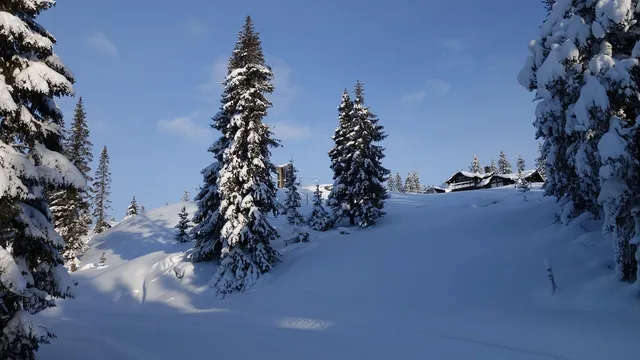
Norway · Ski
Birkebeinerrennet
Rena to Lillehammer, Innlandet
53 kmA Saturday in mid March; 20 March 2027 (87th edition)
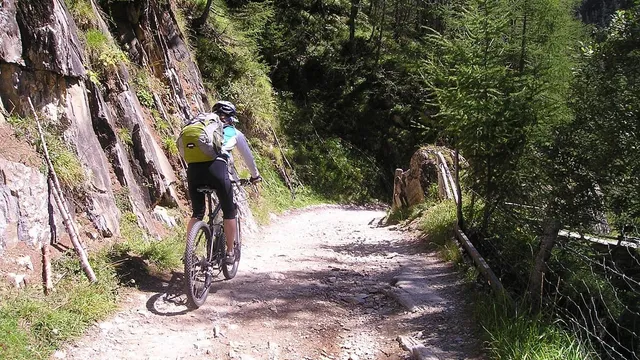
Norway · Bike
Birkebeinerrittet
Rena to Lillehammer, Innlandet
84 kmLast Saturday of August; 28 August 2027

Norway · Trail
Tromsø Mountain Challenge
Tromsdalen, Tromsø, Troms
50 kmSaturday and Sunday in the third week of August (21–22 August 2027)
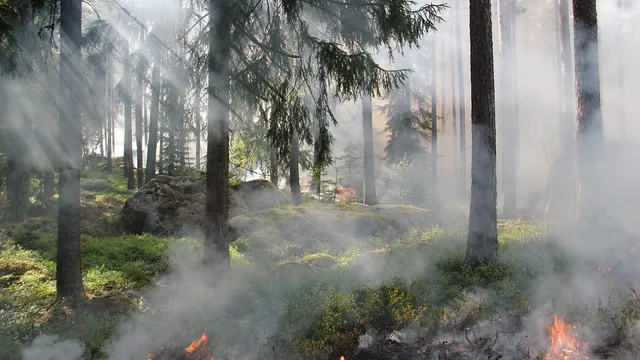
Sweden · Trail
Lidingöloppet
Lidingö, Stockholm
30 kmLast weekend of September; the 30 km is on the Saturday (25 September 2027)
Sources
Figures and rules on this page come from these pages, read on the dates given. Organisers change dates, fees and rules: check the official site before you enter.
- Birken: Birkebeinerløpet 21 km (opens in a new tab) (read 2026-10-15)
- Birken: Price list LøpeBirken 2027 (opens in a new tab) (read 2026-10-15)
- Birken: Prices 2027 (Birken Young, Triple) (opens in a new tab) (read 2026-10-15)
- Birken: Results PDF LøpeBirken (2026 result list, used for the median) (opens in a new tab) (read 2026-10-15)
- Birken: Statistics and Birkebeiner medal time limits (2024, 2025 statistics and medal times PDFs) (opens in a new tab) (read 2026-10-15)
- Birken: Check list LøpeBirken (opens in a new tab) (read 2026-10-15)
- Yr: Lillehammer weather statistics (June 2026 and normal) (opens in a new tab) (read 2026-10-15)