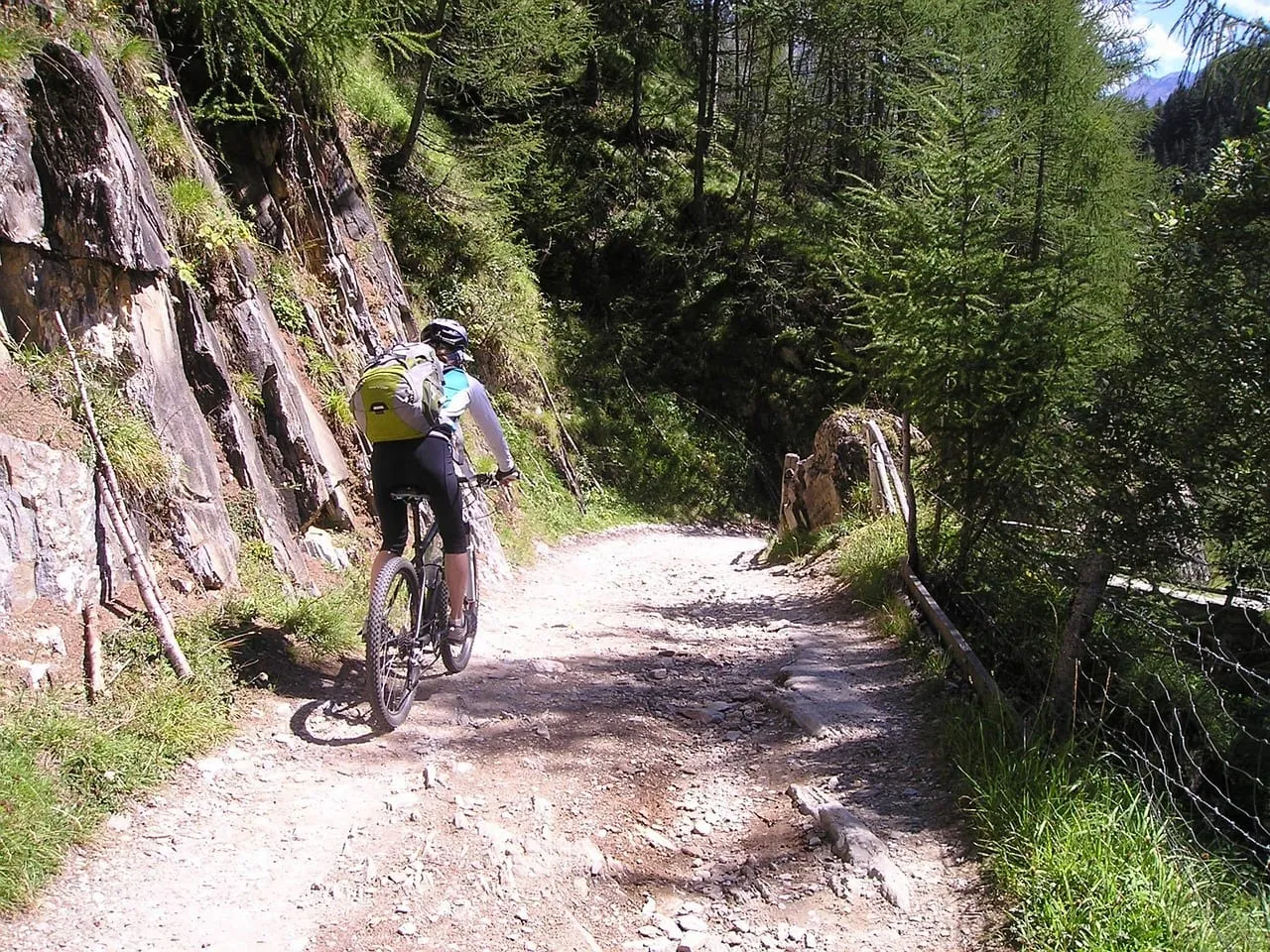
Norway · Gravel and mountain biking
Birkebeinerrittet
Rena to Lillehammer, Innlandet
Birkebeinerrittet is Norway's largest mountain-bike race: 84 km from the town square in Rena over the mountain to Håkons Hall in Lillehammer on the last Saturday of August, with about 1,250 m of climbing, a hike-a-bike at Djuposet, the Rosinbakkene climb and a high point of 955 m at Storåsen before a long, fast descent. Like the ski race it carries a mandatory backpack, now at least 2 kg, with rain gear, warm gloves, food and tools. It once drew over 17,000 riders and sold out every year to 2015; in 2026 3,601 entered, 2,761 started and 98 per cent of starters finished, the median in 4 h 10 min.
Official site (opens in a new tab)No. 23 of 41 in the toughness ranking
The race in brief
- Distance
- 84 km
- Climb
- 1,250 m
- Format
- 84 km point to point on tarmac, gravel and forest road with short singletrack and one hike-a-bike; mandatory 2 kg backpack; seeded waves from 09:00 (elite) to about 11:05
- When
- Last Saturday of August; 28 August 2027
- Mid-pack time
- 4 h 10 min (median of 2,703 finishers, 2026)
- Cut-off
- Kvarstad (44 km) by 16:00, Storåsen (63 km) by 18:00; everyone is expected to finish by 20:00
- Entry fee
- 1 425–1 775 kr (2027 edition: 1 425 kr at the discounted price shown in October 2026, 1 775 kr standard; 1 395 kr for ages 16 to 28; elite classes 450 kr; one-day cycling licence 220 kr for everyone without a federation licence)
- Field
- 3,601 entered, 2,761 started, 2,703 finished (2026)
- First held
- 1993
- Other distances
- HalvBirken cycle 41 km, Pellestova to Lillehammer · UltraBirken cycle (long MTB from Pellestova) · GravelBirken 100 and 200 km (gravel, from the ski stadium) · UngdomsBirken cycle (ages 13 to 16)
- Organiser
- Birken AS, Rena (non-profit; surplus goes to local sports clubs)
Next edition: 2027-08-28 · Entries open; a discounted price of 1 425 kr was shown in October 2026 against a standard 1 775 kr. Entries close 27 August 2027 at 21:00 if places remain; no entry on race day · Entries (opens in a new tab)
Checked 2026-10-15
How tough is it?
Four meters, each 1 to 5, rated by our published method. The basis under each one shows the figures behind the score. How we rate.
Median finishing time 4 h 10 min across 2,703 finishers in 2026 (official results on tiur.birken.no, 2026-08); quartiles 3 h 40 min and 4 h 49 min, the slowest tenth over 5 h 34 min. Winners 2 h 37 min (men) and 3 h 10 min (women). Birkebeiner medal limits in 2026 ran from 3 h 40 min (men 20 to 24) to about 5 h for women 60 to 64. As of 2026-08.
The organiser gives 84 km with roughly 1,200 to 1,300 m of climb (about 15 m per km): 10 km of flat tarmac out of Rena, wide gravel to Åstadalen, a long gravel climb to the hike-a-bike at Djuposet, forest road and some singletrack with stones and roots at Nysetra, Kvarstad at 670 m, the 1.4 km Rosinbakkene climb, then Aksjøen (860 m), Elgåsen (900 m) and the 955 m high point at Storåsen before 21 km of descent on dirt road, a narrow pebbly trail at Nybu, tarmac and the Ballettbakken gravel drop to 290 m (Birken track description, 2026-10). As of 2026-10.
Late August: Lillehammer's August normal is 15.6 °C (Yr, 1991-2020), but the course spends 20 km above 850 m where Sjusjøen (842 m) averaged 10.0 °C in August 2026 with 160 mm of rain in the month (Yr station table). Rain and mud are common enough that the rules require a wind- and water-repellent jacket and trousers, long-finger gloves and a hat in the 2 kg pack, and riders are not allowed to start without them (Birken race rules, 2026-10). As of 2026-08.
Kvarstad (44 km) by 16:00 and Storåsen (63 km) by 18:00 with the finish expected by 20:00; the last wave starts about 11:05, so a rider has close to nine hours against a median of 4 h 10 min. 98 per cent of 2026 starters finished (2,703 of 2,761; 57 DNF, 1 DSQ), though only 77 per cent of those entered came to the start (Birken statistics 2026). Entry is open and has not sold out since 2015; seeding by results sets the wave. As of 2026-08.
The course
The start is in the streets of Rena (Tollef Kildes gate) and the first 10 km are flat tarmac along Åsbygdvegen to Vivelstadsvea, ridden in waves of a few hundred and fast. From there a wide gravel road drops about 3 km into Åstadalen, with loose gravel on the bends, and then follows the Åsta river on a long gravel climb to Djuposet, where everybody gets off and pushes up the hike-a-bike. Four kilometres of forest road lead to the first feed stations (Åstvollen at 16.8 km and Persbu at 26 km, where a local residents' association runs a tent with music and massage) with a steep drop into a sharp right-hand bend on a bridge just before.
From Persbu the course climbs on forest and gravel road over the Kråleråa bridge and up to Bjønnåsen, then 2 km of partly singletrack with stones and roots to Nysetra, on to Øyungen (785 m) and a fast descent to Kvarstad (670 m) at 44 km, the main feed and service station and the first cut-off. The second half starts with the climb up Kvarstadsæterlia and, after a bridge, the Rosinbakkene: 1.4 km of steep gravel with raisins and malt beer handed out at the top (54 km). The road keeps rolling upward past Aksjøen (860 m) and Elgåsen (59 km, 900 m) to the high point at Storåsen by Sjusjøen (955 m) at 63 km, where the Red Bull 100 m sprint prize is contested and the second cut-off sits.
The last 21 km are mostly downhill but not easy: a narrow 1 km trail with pebbles and tight turns at Nybu, a steep drop into a 180-degree right-hander at Avskåkalia on to the tarmac of Sjøsetervegen, where speeds get high, dirt road and trail through the Birkebeineren ski stadium to Kroken, steep tarmac bends and finally the Ballettbakken, a steep gravel descent, before tarmac and forest path to the finish at Håkons Hall (290 m). The feed stations serve sports drink, water, bananas, lefse and pastry, with cured ham at Kvarstad and cola at Elgåsen, all included; mechanics at Persbu and Kvarstad change tubes, chains and brake pads and can hose the mud off the bike.
Timing is from the start mat for most waves (gun time for the elite classes and waves 1 and 9) with a chip in the handlebar number. Littering costs 15 minutes, supporter vehicles are banned, and most of the route is closed to traffic but public roads are still used near the towns.
How to enter
Entries open after the previous edition and run until 27 August 2027 at 21:00 if places remain; there is no race-day entry. The organiser prices in steps: a discounted price of 1 425 kr was shown in October 2026 against the standard 1 775 kr (about €170 at 10.60 NOK to the euro), with 1 395 kr for ages 16 to 28, a 1 500 kr campaign for a week in June 2026, and the Birkebeiner Triple (ski, bike and run) at 3 350 kr. The race sold out every year from 1993 to 2015 but has not since: 3,601 entered in 2026 against 17,758 at the 2010 peak. Minimum age is 17 in the calendar year.
Waves are seeded from results in Birkebeinerrittet, UltraBirken and GravelBirken from the last four or five years and from a list of sanctioned Norwegian qualification races, updated until the second or third week of August; riders without a result start in the unseeded waves around 10:55 to 11:05. Foreign riders can send results from other races in 2025 or 2026 to seeding@birkebeiner.no by 26 August; all reseeding closes on 24 August. The elite classes need a UCI-affiliated national federation licence and cost 450 kr. Groups of friends can ask to start together in an unseeded wave.
Everyone aged 13 or over needs a cycling licence: riders with a national federation licence bring the card, everyone else buys a one-day Norwegian Cycling Federation licence (220 kr, an insurance) with the entry, on My Page or at bib collection. There are no refunds for any reason; cancellation insurance is offered at checkout, and entries can be re-registered to another rider. The fee includes the feed stations, mechanics, luggage transport from Rena to the finish and a finisher pin; a Birkebeiner medal goes to anyone within the top-five average plus 25 per cent in their class, 39 per cent of starters in 2026.
How to train for it
Ride long gravel climbs with the pack on
The course climbs from about 230 m at Rena to 955 m at Storåsen with the big efforts at Djuposet, Kvarstadsæterlia and Rosinbakkene, almost all on gravel and forest road rather than singletrack. Train three-to-four-hour rides with sustained seated climbing of 20 to 40 minutes, wearing the 2 kg pack so that your back and neck are used to it.
Practise pushing and remounting
Djuposet is a hike-a-bike by design, and the steep pitches on the Rosinbakkene turn into pushing for most of the field. Rehearse getting off, pushing uphill with the bike and getting back on in a queue of riders; shoes you can walk in matter more than ultralight pedals.
Descend on loose gravel at race pace
The Åstadalen descent, the Nybu trail, the hairpin at Avskåkalia and the Ballettbakken are where tired riders crash. Birken's own description warns of loose gravel, pebbles and sharp bends; practise braking and line choice on loose surfaces when fatigued, not just fresh.
Pace the first 10 km of tarmac
The road out of Rena is flat and the waves ride it like a road race. Sit in a group but do not pull or sprint for position; the race is decided on the climbs after 20 km, and a mid-pack rider at 4 h 10 min loses nothing by reaching Vivelstadsvea a minute later.
Eat at Persbu and Kvarstad
The stations serve banana, lefse, sports drink and water in that order with bottle refills at the last table, so rehearse eating real food on the bike and refilling in 30 seconds. Carry your own gels; the organiser's advice is to drink before you are thirsty, and the rules require food in the pack anyway.
Get a seeding result
Riding one of the sanctioned qualification races in Norway with your Birken ID, or sending a 2025 or 2026 result from a race abroad by 26 August, moves you from the unseeded waves at 11:00 to a seeded wave an hour earlier: fewer riders to pass at Djuposet and more daylight margin against the 16:00 Kvarstad cut-off.
What you need
- A backpack with shoulder straps weighing at least 2 kg throughout the race, worn visibly over the jersey or jacket; hip bags and running vests are not accepted and packs are checked before the start
- In the pack, mandatory: full-coverage wind- and water-repellent jacket and trousers, long-finger gloves or mittens, a hat or beanie, food, and simple tools with tube(s) and a pump or cartridge
- A certified helmet; no road handlebars or clip-on extensions, traditional bar ends allowed
- A mountain bike in good order (the organiser asks you to service it before Rena); mechanics at Persbu and Kvarstad do tubes, chains and brake pads but not major repairs
- Bubble wrap or a bike bag if your bike travels on the organiser's lorry from Oslo or Lillehammer, where it goes at your own risk
- Dry clothes and shoes in the luggage bag for the finish, which can be wet and muddy; Håkons Hall has showers
- No headphones or audio of any kind
Getting there and staying
Start and finish are 1.5 hours apart by road. Rena is about 2.5 hours from Oslo by car (E6 then the Elverum exit) and reachable by train on the Røros line via Hamar; Lillehammer is two hours up the E6 and on the Dovre line, both from Oslo Airport. Birken runs buses with bike lorries from Oslo and from Lillehammer to Rena, bookable on My Page from two weeks before the race until 20:00 the evening before, with no refund for unused tickets; the lorries travel slower than the buses so bikes may arrive after you. Parking in Rena and Lillehammer costs 110 kr and is marshalled; supporters can camp at Persbu if in place before the road closes at 09:00.
Collect the bib at Håkons Hall in Lillehammer (Friday 10:00 to 21:00) or Åmot kulturhus in Rena (Friday 11:00 to 21:00, race day from 07:00) at least an hour before your start; anyone entering after 25 August collects in Rena, and the pick-up place can be changed until 15 August. Birken's mattress accommodation in a Rena school with breakfast costs 495 kr booked by 24 August or 650 kr on the night, bring a sleeping bag; otherwise Rena has a hotel and camping, and Lillehammer and Elverum are the alternatives.
Luggage goes on the lorry marked with your wave in the car park east of Åmot kulturhus and is collected outside Håkons Hall; use a waterproof bag. After the finish there is free guarded bike parking until 20:30 (your wristband and bike number identify the bike; bikes are not allowed inside the hall), showers and changing rooms, the diploma and prize desk and the Sport 1 expo until 20:00, and an outdoor AfterBike with food and the prize ceremonies. Riders who abandon get buses from Rena (about 11:00 and 15:00) and Kvarstad (about 13:30 and 17:00) to Lillehammer; transport from elsewhere on the course is limited.
History
Three local enthusiasts, Morten Østli, Snorre Moen and Tor Fredriksen, mapped a mountain-bike version of the ski race in 1991 and 1992, and the first Birkebeinerrittet on 11 September 1993 took 1,327 riders 82 km from Rena square to Håkons Hall. The field was capped from the start and the race sold out every year until 2015, peaking at 17,758 entries in 2010, which made it one of the largest mountain-bike races in the world. Entries fell to about 7,000 by 2019; the 2020 edition was cancelled by the pandemic, 2021 ran with 5,000 places and Covid certificates, and the field has been 3,600 to 4,700 since.
The course was changed in 2023 to reintroduce the original start used in 1993 and 1994, via Vivelstadsvea into Åstadalen and up to the hike-a-bike at Djuposet, two kilometres shorter and with the technical section from Svartåfloen replaced by gravel. The backpack has followed the ski race, 3.5 kg until the 2 kg rule took effect for the 2026 ride. The fastest recorded winning time is Erik Resell's 2:28:21 in 2017; the 2026 winners were Østen Midtsundstad (2:37:16) and Tiril Jørgensen (3:09:57).
Where to find out more
- Birkebeinerrittet race information (opens in a new tab): The organiser's page with the course, feed stations, waves and seeding, cut-offs, buses, accommodation, rules and licence.
- Birkebeinerrittet track description (opens in a new tab): Section-by-section description of the 84 km with altitudes and warnings about the descents.
- Price list Birken cycle 2027 (opens in a new tab): Entry fees for Birkebeinerrittet, GravelBirken, UltraBirken and HalvBirken, licence and accommodation prices.
- Birken results search (opens in a new tab): Official results for every edition since 1993, searchable by year, wave and class; the source of the median time.
- Race day map (opens in a new tab): Interactive course map with GPX download, linked from the race page.
Questions about Birkebeinerrittet
What has to be in the backpack?
A full-coverage wind- and water-repellent jacket and trousers, long-finger gloves, a hat, food, and basic tools with tube and pump or cartridge, and the whole pack must weigh at least 2 kg from start to finish (the 3.5 kg rule ended in 2026). It must be a real backpack on your shoulders, worn outside the jersey; hip bags and vests are refused, packs are checked at the start and a light pack means a penalty or disqualification.
How technical is it, and can I ride it on a gravel bike or hardtail?
It is a marathon MTB race on tarmac, gravel and forest roads with short singletrack sections at Nysetra and Nybu, one hike-a-bike at Djuposet and some steep loose descents. Most of the field rides hardtails. Road handlebars and clip-on extensions are banned; Birken runs separate GravelBirken 100 and 200 races on the same day for gravel bikes.
How long will it take?
The median of 2,703 finishers in 2026 was 4 h 10 min; a quarter took longer than 4 h 49 min and the slowest tenth over 5 h 34 min. Elite winners are around 2 h 37 min (men) and 3 h 10 min (women). The cut-offs allow close to nine hours from the last wave.
Do I need a licence as a foreign rider?
Yes. Every rider aged 13 or over needs either a national cycling federation licence (bring the card to bib collection) or a one-day Norwegian Cycling Federation licence, 220 kr in 2027, bought with the entry or on My Page. It is an insurance, not a membership.
How do I get my bike to Rena and myself back from Lillehammer?
Birken sells bus tickets from Oslo and from Lillehammer to Rena with bike transport on a lorry included, booked on My Page from two weeks before until 20:00 the evening before. Luggage from the start to Håkons Hall is included in the entry. Many riders park at Håkons Hall and bus to the start.
Does it sell out?
Not any more. It sold out every year from 1993 to 2015 with up to 17,758 entries; 3,601 entered in 2026 and entries stay open until the Friday before the race at 21:00. The price rises in steps, so the reason to enter early is the fee, not the place.
Similar races
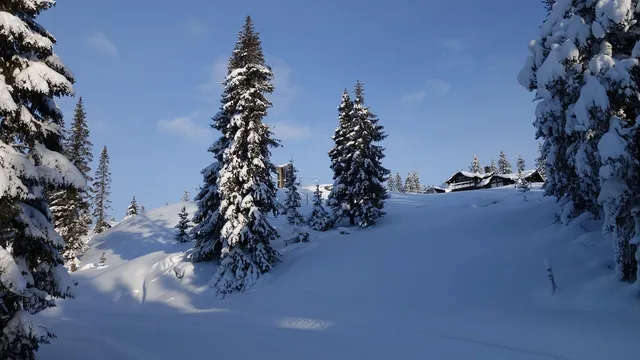
Norway · Ski
Birkebeinerrennet
Rena to Lillehammer, Innlandet
53 kmA Saturday in mid March; 20 March 2027 (87th edition)
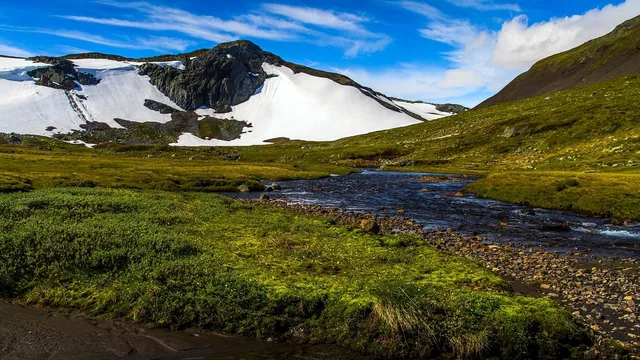
Norway · Trail
Birkebeinerløpet
Birkebeineren Ski Stadium to Håkons Hall, Lillehammer, Innlandet
20.2 kmA Saturday in mid June; 12 June 2027 (29th edition)

Sweden · Bike
Cykelvasan
Sälen (Berga by) to Mora, Dalarna
92 kmSaturday in mid-August (14 August 2027)
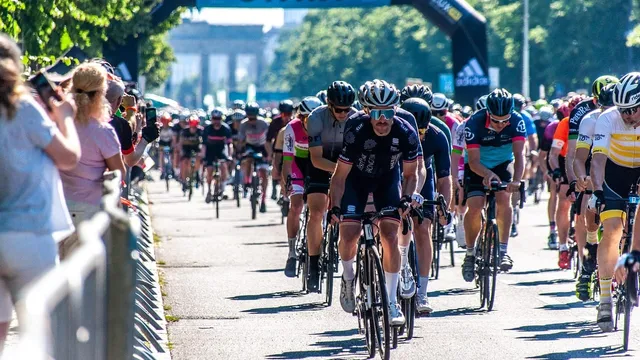
Sweden · Bike
Vätternrundan
Motala, around Lake Vättern (Östergötland, Jönköping and Västra Götaland counties)
315 kmFriday evening to Saturday in mid-June (18-19 June 2027; 12-13 June 2026)
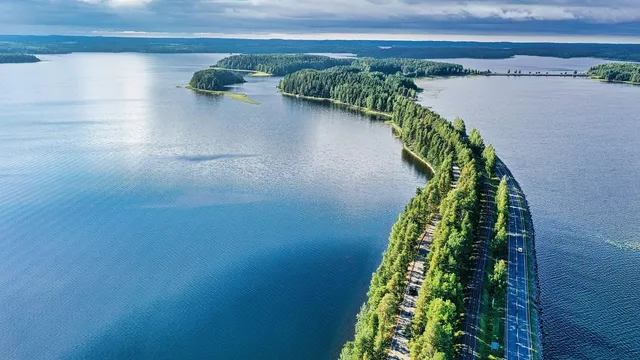
Finland · Bike
Tahko MTB
Tahko (Tahkovuori), Nilsiä, Kuopio, North Savo
60 kmFriday and Saturday of the weekend after Midsummer (2–3 July 2027; 26–27 June 2026)
Sources
Figures and rules on this page come from these pages, read on the dates given. Organisers change dates, fees and rules: check the official site before you enter.
- Birken: Birkebeinerrittet 84 km (race information, rules, cut-offs, logistics) (opens in a new tab) (read 2026-10-15)
- Birken: Birkebeinerrittet 84 km (Norwegian page) (opens in a new tab) (read 2026-10-15)
- Birken: Track description Birkebeinerrittet (opens in a new tab) (read 2026-10-15)
- Birken: Birken cycling overview (opens in a new tab) (read 2026-10-15)
- Birken: Price list Birken cycle 2027 (opens in a new tab) (read 2026-10-15)
- Birken: Prisliste SykkelBirken 2027 (opens in a new tab) (read 2026-10-15)
- Birken: Price list 2027 (youth price, Birkebeiner Triple) (opens in a new tab) (read 2026-10-15)
- Birken: Sign-up terms and conditions (opens in a new tab) (read 2026-10-15)
- Birken: The Birken backpack weight requirement is being updated (29 May 2026) (opens in a new tab) (read 2026-10-15)
- Birken: The history of the Birkebeinerrittet (opens in a new tab) (read 2026-10-15)
- Birken: Birken Cycling, useful info for participants in August (opens in a new tab) (read 2026-10-15)
- Birken: Din tur til å sykle Birken? (campaign price June 2026) (opens in a new tab) (read 2026-10-15)
- Birken: Bjønnåsen-stemningen er tilbake på Persbu (2026 race day, Persbu feed station) (opens in a new tab) (read 2026-10-15)
- Birken: Birkebeinerrittet is back (2021 edition with 5,000 places) (opens in a new tab) (read 2026-10-15)
- Birken: Statistics and Birkebeiner medal time limits (2026 Birkebeinerrittet statistics PDF, medal times PDF, participants all years PDF) (opens in a new tab) (read 2026-10-15)
- Birken results service: Birkebeinerrittet 2026 (all waves, used for the median and winners) (opens in a new tab) (read 2026-10-15)
- Wikipedia: Birkebeinerrittet (winners and fastest times) (opens in a new tab) (read 2026-10-15)
- Yr: Lillehammer weather statistics (August normal) (opens in a new tab) (read 2026-10-15)
- Yr: Sjusjøen weather statistics (August 2026) (opens in a new tab) (read 2026-10-15)
- Norges Bank: EUR/NOK exchange rate 14 October 2026 (opens in a new tab) (read 2026-10-15)