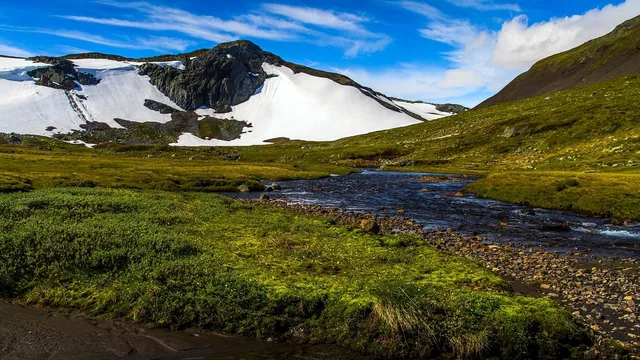
Norway · Trail
Birkebeinerløpet
Birkebeineren Ski Stadium to Håkons Hall, Lillehammer, Innlandet
20.2 kmA Saturday in mid June; 12 June 2027 (29th edition)
DurationHalf-day
TerrainRough
ColdMild
Cut-offsOpen
Disciplines
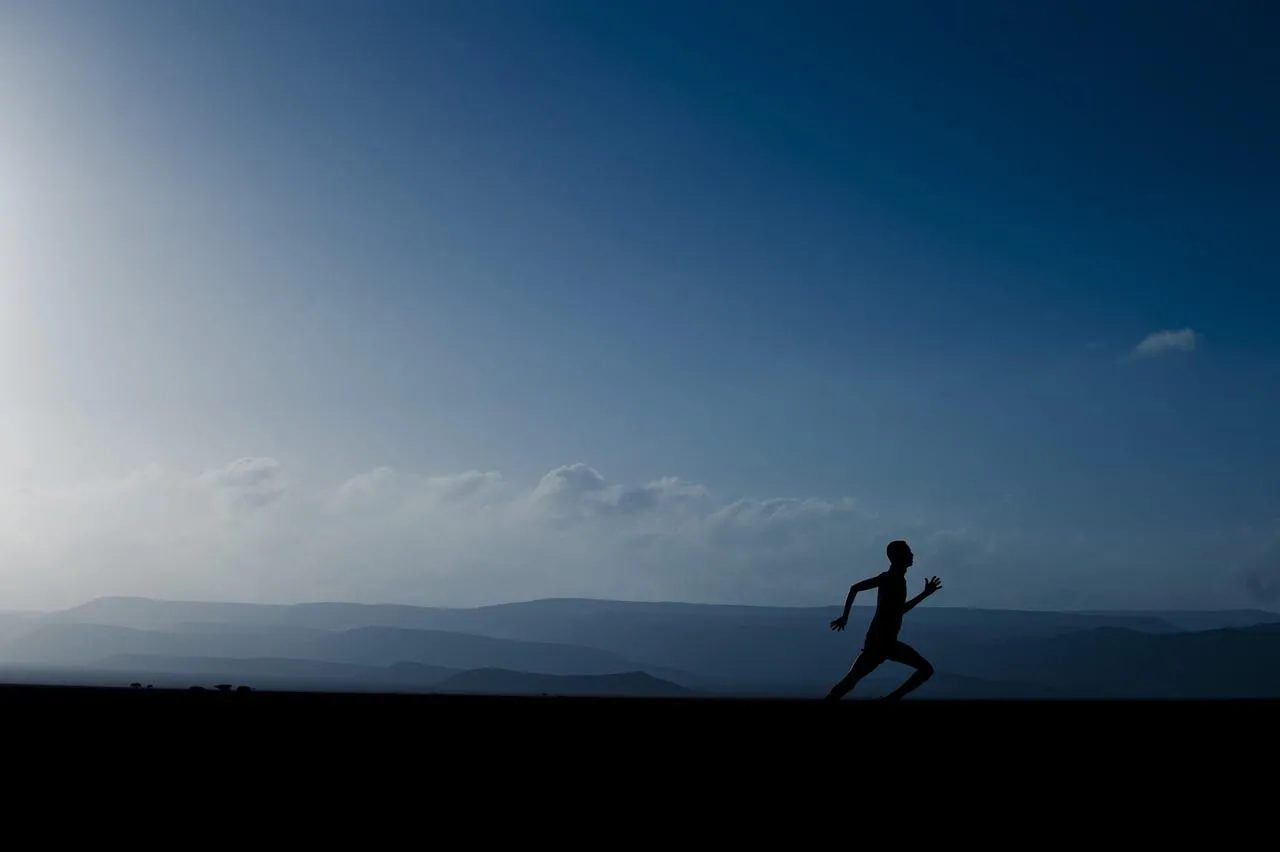
Trail running is running on paths instead of pavement: forest tracks, fell trails, coastal cliffs and mountain ridges, marked for the day by the organiser. In the Nordics it grew out of orienteering, terränglöpning and long hiking routes, and the right to roam means the training ground is everywhere and free. It is run by ordinary people who walk the climbs and run the rest, and the field at the big races is a cross-section of the country.
A trail race is a marked route over natural ground, timed from start to finish, with aid stations every ten kilometres or so and a cut-off at the finish and often at a checkpoint or two. The International Trail Running Association sorts races by distance: trail 10K up to 14 km, half-marathon trail 15 to 34 km, marathon trail 35 to 44 km, then 50K, 50 miles, 100K and 100 miles. The Nordic calendar has all of them. Lidingöloppet outside Stockholm, the world's largest cross-country race since 1965, is 30 km with 522 m of climb; Höga Kusten Trail runs 14, 18, 28, 45 and 60 km over the cliffs of a World Heritage coast; NUTS Ylläs-Pallas in Finnish Lapland goes from 15 km to 160 km through a national park north of the Arctic Circle; Lofoten Ultra-Trail runs 12 km to 100 miles along the islands; Laugavegur in Iceland is a single 55 km mountain crossing.
Race day is simpler than it looks. You check in the day before or in the morning, collect a bib and timing chip, sit through a briefing, and often take a bus to a start in the hills. Many Nordic races use a flying start over a window of an hour to spread the field. Kit is checked at random before, during and after the race. Walking steep climbs is normal at every level: organisers of the longer distances say plainly that recreational runners may walk half the course. You finish, eat the organiser's food, and the after-party is part of the entry.
The Nordic countries had trail running before the word existed. Lidingöloppet started in 1965 as a terränglopp, orienteering clubs have trained on forest paths for a century, and the long hiking routes, Kungsleden, the Hetta-Pallas trail and Laugavegur, became race courses once somebody tried to run them. What makes it different here is the right to roam. In Sweden, Norway and Finland you may move on foot through forest, fell, bog and shore regardless of who owns the land, as long as you keep out of gardens and crops, close gates, take rubbish home and leave wildlife alone. Norway's friluftslov even lets you cross farmland between 15 October and 29 April when the ground is frozen or under snow. Finland's rules carry the same freedoms but reserve the right to restrict movement in national parks and nature reserves, where you stay on marked paths. Iceland's races run through the highlands on marked routes with hut checkpoints and the organiser's buses as the only way out.
The ground is the other difference. Nordic trails are roots, rock slabs, bog bridges and loose scree rather than the groomed paths of the Alps, and the tree line is low, so a 1,200 m summit above Tromsø is as exposed as a 2,500 m one further south. Weather can go from sun to sleet in an afternoon in any month. That is why Nordic organisers are strict about mandatory kit, and why the sport is growing: Finland's trail events took about 22,000 starters in 2024, a record, and roughly 740,000 Finns say they run on trails; Norway had two ultra races in 2005 and 42 a decade later; and in Sweden the 30 km at Lidingöloppet hit its cap of 18,000 and sold out in 2026 for the first time since 2014, with more than 35,000 runners across the weekend.
Start with what you have. Ordinary running shoes are fine on forest paths for your first months; move to trail shoes with a lugged sole and a protective toe when you go onto rock, mud and wet roots, and expect to pay around a hundred euros for a pair that lasts. Clothing is whatever you run in, plus a thin long-sleeved base layer, a windproof jacket, a hat and gloves in a small pack or running vest with a soft flask or two. That is the whole list for training.
For racing, the organiser's mandatory list decides. The pattern across the Nordics is the same: a windproof jacket, hat and gloves, a spare long-sleeved base layer, a container for at least half a litre and often a litre of fluid, a whistle, a survival blanket, a headlamp on the longer distances, a small first-aid kit with plasters and an elastic bandage, your own cup because aid stations do not hand them out, and a mobile phone with the race office number saved and in Iceland the emergency number 112. Missing an item costs a penalty of an hour at Laugavegur and Hammer Trail on Bornholm, and disqualification at Höga Kusten. Some races ban metal studs to protect the paths. What people waste money on: waterproof membrane shoes that fill with water and never drain, poles they have never trained with, and a watch with more maps than the course needs. The ITRA performance index matters only if you aim at races that use it as an entry filter; Laugavegur requires 370 points.
The race season runs from late April to early October. Bornholm opens it with Hammer Trail in the first days of May, Lofoten Ultra-Trail is fixed to week 22 at the start of June, the Lapland ultras come in July when the sun does not set, Laugavegur is the second Saturday of July, Höga Kusten Trail sits at the end of August and Lidingöloppet closes the big calendar on the last weekend of September. Expect anything: snow patches on the fells in June, midges in July, 25 degrees on a south-facing slope and near-freezing wind on the ridge above it, and in Iceland rain that comes sideways. Rivers rise after rain and cut-offs are set with that in mind.
The off-season is not off. The forest is runnable all year on packed snow; most Nordic runners switch to shorter loops near home, run by headlamp from November to February, and put spikes or studded shoes on when the paths ice over. Many swap one or two trail runs a week for cross-country skiing, which trains the same legs and lungs with less pounding, and Hammer Trail even runs a winter edition on Bornholm at the end of January. Hill repeats on a ski slope or a lit stair, and long walks with a pack, are the standard winter sessions for an ultra in July.
Pick a distance you can cover walking the climbs within the cut-off, not one that sounds impressive. The short distances at the big events are designed for this: the 15 km at Lidingöloppet, the 14 and 18 km at Höga Kusten Trail with five hours to finish, the 15 km at NUTS Ylläs-Pallas, the 12 km at Lofoten, the 8 and 17 km at Hammer Trail. Read the organiser's first-timer page and the mandatory kit list before you enter, not the week before the race. Then enter early. Höga Kusten Trail has sold out every year for eleven years and releases 2027 places on a Friday afternoon in March; Lidingöloppet filled its 18,000 cap in mid-September 2026; Laugavegur takes entries for one week in November and allocates places by ITRA index and a lottery; Lofoten and NUTS open registration eight to nine months before the race.
The day itself: arrive the evening before, check in, go to the briefing and sleep near the start. Eat a normal breakfast, start at the back of your wave, walk every climb from the first one and run the flats and descents inside your ability. Drink at each station and eat something small every forty minutes. Keep your kit on your body, not in the drop bag. At the finish, put the spare layer on before you get cold. Most people who miss a cut-off went out too fast in the first hour, and the organiser of Laugavegur says the share of runners who cannot hold the time limits has risen in recent years; the fix is the long training runs, not the shoes.
Take this week's easy run off the pavement and into the closest forest, park edge or shoreline path. Keep the time the same and let the pace drop; a trail kilometre is slower than a road one and that is the point. Do it twice a week for a month before you change anything else.
Find the steepest hill within reach and do six to ten repeats, walking up hard with your hands on your knees and running down easy. Every Nordic race from 15 km upward is won or lost by how well you walk; practise it so it feels like a tactic, not a failure.
Orienteering clubs, athletics clubs and local trail groups run open sessions in every Nordic town, and Suomen Latu's local associations in Finland list trail runs by level. One group session a week teaches you more about footing and pacing than any article, and it is how most people find their first race partner.
Book the 14 to 18 km distance at an event with a generous cut-off nine months out and plan backwards from the date. Having a bib and a bus to the start is what turns running on paths into trail running.
Three weeks before the race, run two to three hours with the full mandatory list in your pack, the shoes you will race in and the food you plan to eat. Everything that chafes, bounces or leaks shows up then, when you can still fix it.
Norway · Trail
Birkebeineren Ski Stadium to Håkons Hall, Lillehammer, Innlandet
20.2 kmA Saturday in mid June; 12 June 2027 (29th edition)

Iceland · Trail
Hveragerði and the Hengill volcanic massif, 45 km east of Reykjavík
53 kmFirst weekend of June: 5 to 6 June 2026, 4 to 5 June 2027
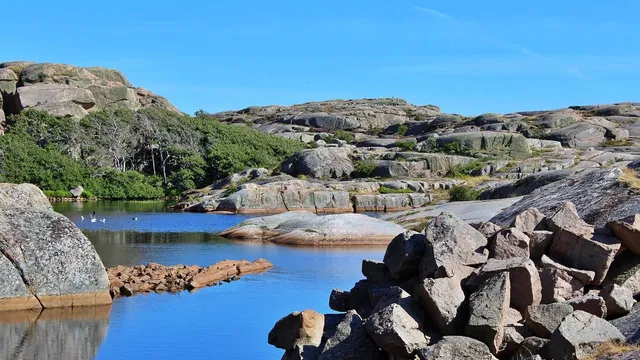
Sweden · Trail
FriluftsByn, Skuleberget, High Coast (Höga Kusten), Ångermanland
45 kmLast weekend of August (the 45 km on Saturday 28 August 2027)
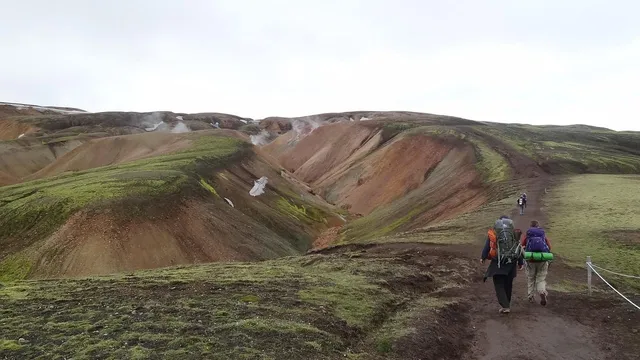
Iceland · Trail
Landmannalaugar to Þórsmörk (Húsadalur), Fjallabak, southern highlands
55 kmA Saturday in mid July: 11 July 2026, 17 July 2027, 15 July 2028
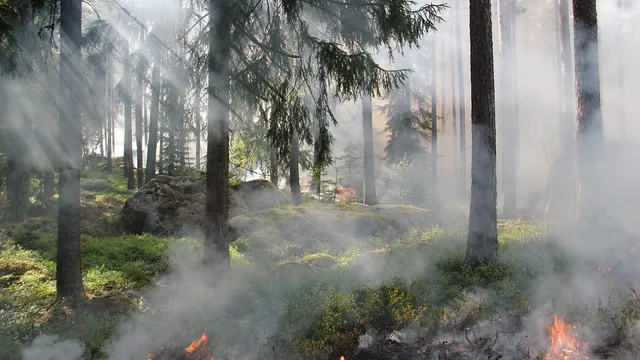
Sweden · Trail
Lidingö, Stockholm
30 kmLast weekend of September; the 30 km is on the Saturday (25 September 2027)
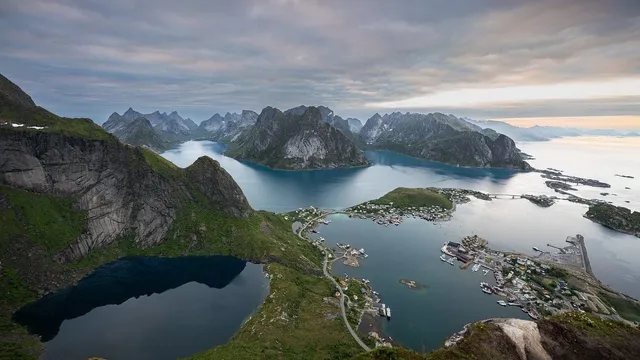
Norway · Trail
Kirkefjorden (Moskenes) to Svolvær, Lofoten, Nordland
165 kmWeek 22, starting Friday; 100 Miles on 4 June 2027, shorter distances on Saturday 5 June
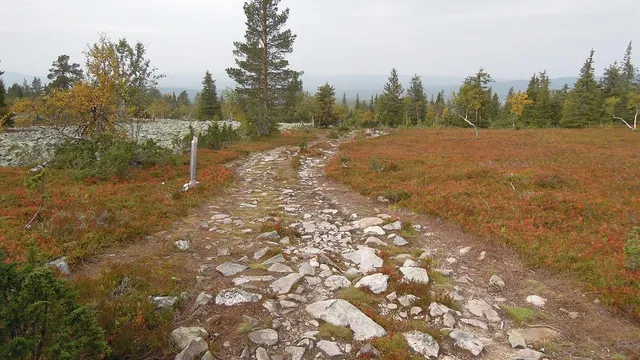
Finland · Trail
Hetta (Enontekiö) to Pallas, Pallas-Yllästunturi National Park, Finnish Lapland; event centre Äkäslompolo, Ylläs
66 kmFriday 23 July 2027 (event weekend 23 and 24 July 2027; in 2026 the 66 km ran on Friday 17 July)
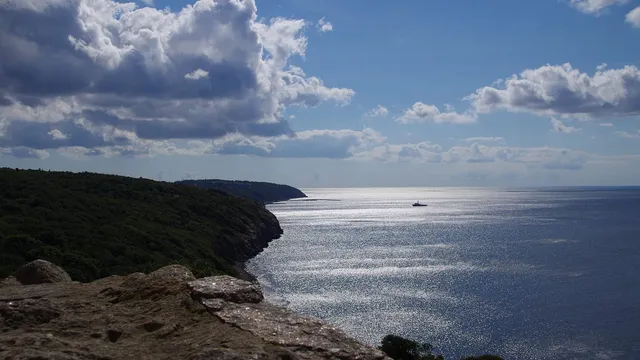
Denmark · Trail
Hammersø near Allinge, northern Bornholm
50 kmSaturday 1 May 2027 (Hammer Trail Winter is a separate race on 30 January 2027)
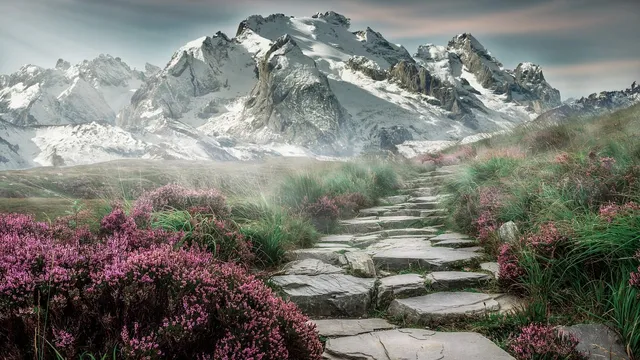
Norway · Trail
Stoltzekleiven, Sandviksfjellet, Bergen
0.9 kmFriday and Saturday in the last week of September (25–26 September 2026; the 2027 dates were not yet announced in October 2026)

Norway · Trail
Tromsdalen, Tromsø, Troms
50 kmSaturday and Sunday in the third week of August (21–22 August 2027)
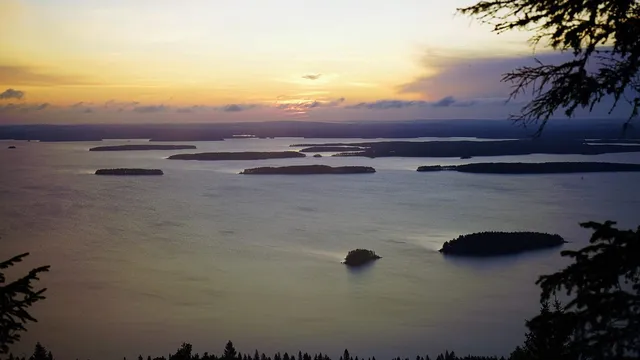
Finland · Trail
Koli National Park, North Karelia
43 kmFirst weekend of October (Friday evening ultra start, Saturday for the other distances)
No. Road shoes work on forest paths and dry gravel for your first months. Buy trail shoes when you run on wet rock, mud and roots, and choose grip and a protective toe over cushioning. Check the race rules before buying studded shoes; some Nordic events ban metal studs to protect the paths.
Yes, at every distance and every level. Nordic organisers say openly that recreational runners walk a large part of the longer courses, and several races describe themselves as a mix of fast hiking, jogging and running. The cut-offs are set so that a steady walker on the climbs who runs the rest gets home.
For the big events, six to twelve months. Höga Kusten Trail has sold out eleven years running and releases next year's places in early March, Lidingöloppet's 30 km reached its cap in September 2026, Laugavegur takes entries for one week in November with a lottery, and NUTS and Lofoten open registration in the autumn for the following summer. Smaller local races can be entered the week before.
Typically a windproof jacket, hat and gloves, a spare long-sleeved layer, half a litre to a litre of fluid, a whistle, a survival blanket, a first-aid kit, your own cup, a phone with the organiser's number and on long distances a headlamp. Yes, it is checked, at random before, during and after the race. Missing an item costs an hour's penalty at Laugavegur and Hammer Trail and disqualification at Höga Kusten.
In Sweden, Norway and Finland the right to roam lets you run on foot through forest, fell and shore regardless of who owns the land, as long as you stay out of gardens and growing crops, keep dogs under control and leave no trace. National parks and nature reserves can restrict you to marked paths, and in Finland that restriction is common. Race courses are always marked; follow the flags, not the map.